

2025-12-09 Pageview:6
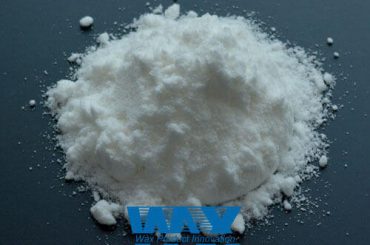
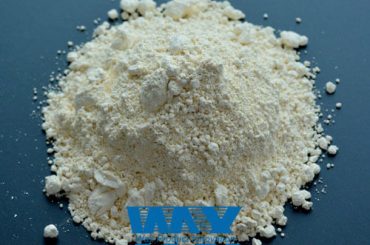
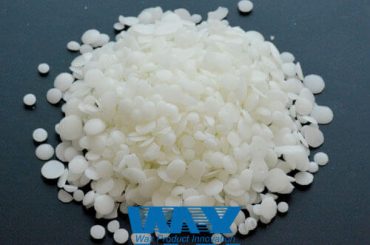
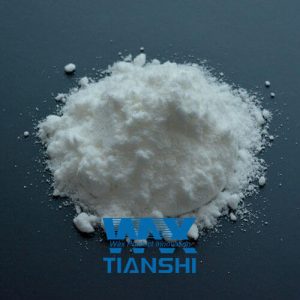
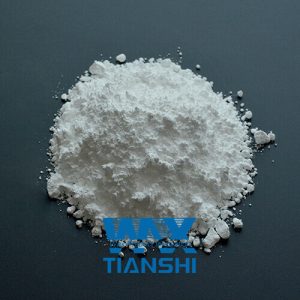
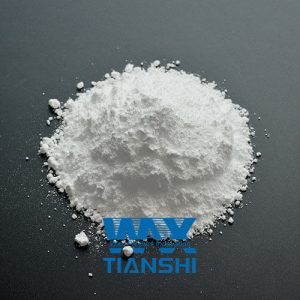
Polyethylene wax (PE wax) plays a crucial role in modern masterbatch formulations, especially in applications requiring excellent pigment dispersibility, efficient processing, and a clean, glossy surface finish. As plastics continue to advance in performance and aesthetics, manufacturers increasingly rely on PE wax to optimize the dispersion of pigments and additives while improving the rheology and visual appearance of final products. Whether used in color masterbatch, filler masterbatch, or functional additive concentrates, PE wax provides a unique balance of lubrication, thermal stability, and compatibility that enhances both processing efficiency and product quality.
In masterbatch production, the ability of pigments and fillers to disperse uniformly is essential. Poor dispersion can result in speckling, uneven color strength, reduced mechanical properties, and processing instability. PE wax works as an internal lubricant that lowers the melt viscosity of the polymer during compounding, allowing pigments and fillers to be distributed more efficiently throughout the carrier resin. This results in stronger color development, higher tinting strength, and more stable color consistency, even at lower pigment loading. For high-performance masterbatch applications, this consistent dispersion directly translates to reduced waste and better reproducibility between batches.
Beyond dispersion, PE wax also significantly reduces friction during extrusion. By providing lubrication inside the polymer matrix, it decreases torque and melt pressure, allowing screw elements to operate more smoothly. Enhanced melt flow reduces energy consumption and increases throughput, making the production of color and filler masterbatch more efficient. This lubrication effect also minimizes equipment wear, extending the life of the extruder and reducing maintenance costs—important considerations for large-scale masterbatch manufacturers.
One of the key visual benefits of PE wax is the improvement in gloss for the end-use plastic products. A uniform dispersion of pigments and additives ensures a smoother surface, which naturally contributes to higher gloss. Additionally, PE wax creates a more homogeneous melt and reduces surface defects such as flow marks, streaks, or pigment agglomerates that would otherwise appear on molded or extruded surfaces. For applications such as film, injection molding, blow molding, and extrusion profiles, this improvement in gloss enhances both aesthetics and market value.
PE wax also enhances the stability of the masterbatch during processing. Its high melting point ensures it remains effective under high-temperature extrusion conditions without degrading or causing discoloration. This allows formulators to maintain high production speeds while minimizing thermal defects. Furthermore, different molecular weights of PE wax offer flexibility: lower molecular weight waxes improve flowability and dispersion, while higher molecular weight versions contribute more significantly to scratch resistance, surface slip, and final product durability.
Compatibility is another advantage. PE wax is widely compatible with polyolefin carrier resins such as LDPE, LLDPE, HDPE, and PP, making it suitable for nearly all types of masterbatch. Its non-reactive nature ensures it does not interfere with stabilizers, plasticizers, or other additives commonly used in plastic formulations. This broad compatibility also allows formulators to use PE wax in combination with inorganic fillers, organic pigments, carbon black, titanium dioxide, and specialty additives without negative interactions.
In functional masterbatch—such as UV-resistant, antioxidant, flame-retardant, and anti-static masterbatch—PE wax also contributes significantly to the uniform distribution of fine powders or liquid additives. Its lubricating and binding properties help encapsulate and stabilize these additives, preventing agglomeration and improving their functional efficiency within the polymer matrix. Better dispersion ultimately enhances the performance of the end-use product while reducing the required loading of expensive additives.
For manufacturers seeking a balance of dispersion and gloss, oxidized PE wax (OPE wax) may also be incorporated. With its polar groups, OPE wax improves wetting on pigment surfaces, especially inorganic pigments, enabling even better distribution. However, it is PE wax—particularly high-purity, high-melting-point grades—that most effectively supports gloss and processing stability in polyolefin masterbatch formulations.
As global demand for high-quality, vivid, and durable plastics continues to grow, PE wax remains a vital component in masterbatch production. Its ability to enhance pigment dispersion, improve gloss, increase extrusion efficiency, and ensure consistent batch performance makes it one of the most valuable additives for color and functional masterbatch manufacturers.
TIANSWAX supplies high-performance PE wax, oxidized PE wax, and specialty wax additives designed specifically for color and filler masterbatch applications. If you need better dispersibility, higher gloss, or more stable extrusion performance, contact us today for technical recommendations and sample support tailored to your formulation needs.
 Leave a message

We’ll get back to you soon