

2026-03-19 Pageview:132
Printing inks are expected to deliver not only high-quality visual output but also strong durability throughout the lifecycle of the printed material. Whether used in packaging, labels, or commercial printing, ink films are frequently exposed to friction, stacking pressure, and mechanical handling. Without proper surface protection, printed surfaces can easily suffer from scratching, blocking, or abrasion.
To address these challenges, wax additives are widely incorporated into modern printing ink formulations. They play a critical role in modifying surface properties and enhancing overall ink performance.

One of the main reasons for adding wax to printing inks is to improve slip properties. Slip refers to the ability of a printed surface to move smoothly against another surface without excessive friction. In printing and converting processes, substrates often pass through rollers, guides, and stacking systems. High friction can lead to scratching or scuffing of the printed layer.
Wax additives reduce the coefficient of friction by forming a thin lubricating layer on the surface of the dried ink film. During drying or curing, wax particles migrate toward the surface, where they create a low-energy interface. This allows printed materials to slide more easily against each other or machine components.
Another important function of wax additives is improving scratch and abrasion resistance. Printed packaging materials, for example, are often stacked or transported in large quantities. Continuous rubbing between surfaces can damage the printed image. Wax particles act as micro-scale lubricants that absorb mechanical stress and reduce direct damage to the ink film.
Wax additives also help prevent blocking, which occurs when printed surfaces stick together under pressure or heat. This is a common issue in flexible packaging and label printing. By reducing surface tack and increasing slip, wax additives allow printed materials to separate easily without damaging the print.
In addition to these functional benefits, wax additives can influence the surface feel and appearance of printed materials. They can create smoother surfaces and improve handling characteristics during downstream processing.
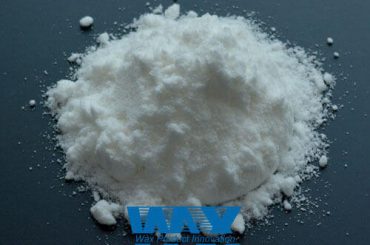
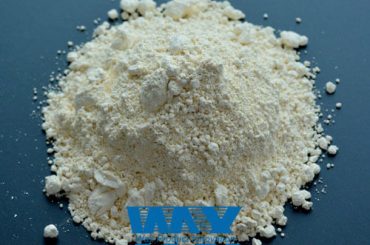
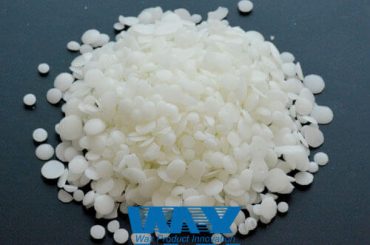
Different types of waxes are used depending on the ink system and performance requirements. Polyethylene wax is commonly used for its balanced performance and cost efficiency. Polypropylene wax offers higher hardness and improved abrasion resistance. PTFE wax provides extremely low friction and is used in high-performance applications.
The choice of wax also depends on the type of ink system, such as water-based, solvent-based, or UV-curable inks. Compatibility and dispersion are key factors in achieving consistent performance.
Proper dosage is essential. While wax additives improve durability, excessive amounts may affect gloss, transparency, or color development. Formulators must carefully optimize the level of wax to achieve the desired balance.
As printing technologies continue to evolve toward higher speeds and more demanding applications, the use of wax additives remains essential for ensuring print quality and durability.
If you are formulating printing inks and looking to improve slip, scratch resistance, and anti-blocking performance, our range of wax additives can help optimize your formulations. Contact us for product recommendations and technical support.
 Leave a message

We’ll get back to you soon