

2026-04-13 Pageview:86
Polyethylene (PE) wax is a versatile additive used across a wide range of industries, including coatings, inks, plastics, textiles, and paper. However, selecting the right PE wax for a specific application can be challenging due to the variety of available grades and properties.
Choosing the correct wax is critical for achieving optimal performance and avoiding formulation issues.
The first step in selecting PE wax is defining the primary performance requirement. Different applications may prioritize properties such as slip, scratch resistance, lubrication, dispersion, or barrier performance.
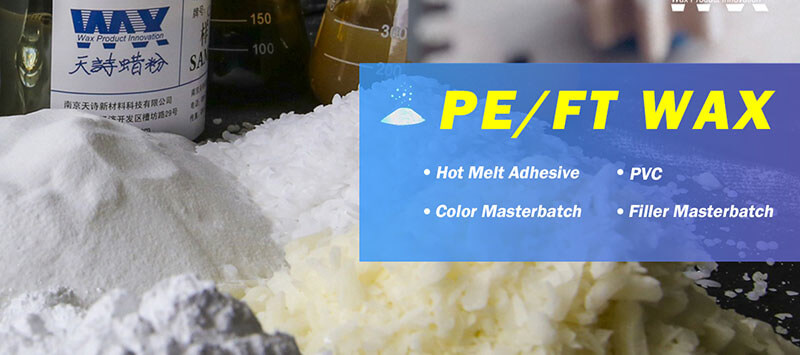
For example, coatings and inks often require improved surface properties such as slip and abrasion resistance, while PVC processing focuses more on lubrication and processing stability.
Once the performance goal is clear, the next step is to consider key technical parameters. Molecular weight is one of the most important factors. Lower molecular weight waxes generally provide better lubrication and dispersion, while higher molecular weight waxes offer improved durability.
Melting point is another critical parameter. It determines how the wax behaves under processing conditions. Higher melting point waxes are suitable for high-temperature applications, while lower melting point waxes may be easier to incorporate.
Particle size is particularly important in surface applications such as coatings and inks. Smaller particle sizes provide better dispersion and more uniform surface coverage.
Compatibility with the formulation system is essential. The wax must be compatible with resins, solvents, and other additives to ensure stable performance.
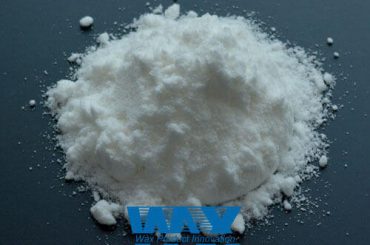
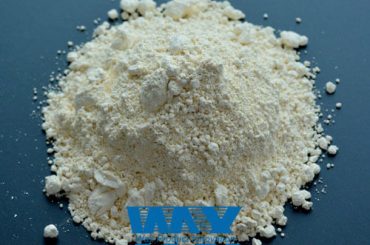
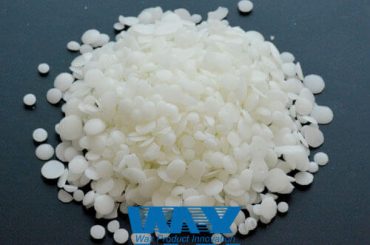
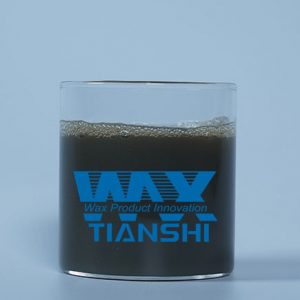
The form of the wax should match the application. Micronized powders are commonly used in solvent-based systems, while emulsions and dispersions are preferred for water-based systems.
Processing conditions should also be considered. Factors such as temperature, mixing equipment, and application method can influence the choice of wax.
Cost-performance balance is another important consideration. While high-performance waxes may provide superior results, they must also be economically viable.
Testing and optimization are essential steps in the selection process. Laboratory trials help ensure that the chosen wax meets all performance requirements.
In many cases, a combination of different waxes may be used to achieve the desired balance of properties.
Selecting the right PE wax is a critical step in formulation development. A well-chosen wax can significantly improve performance, efficiency, and product quality.
If you need support in selecting the right PE wax for your application, our technical team can help you identify the best solution based on your specific requirements. Contact us for expert advice and samples.
 Leave a message

We’ll get back to you soon