


We’ll get back to you soon


Selecting the right polyethylene (PE) wax for industrial coatings is not a one-size-fits-all decision. Different applications require different performance characteristics, and the wrong choice of wax can lead to suboptimal results or even formulation issues.
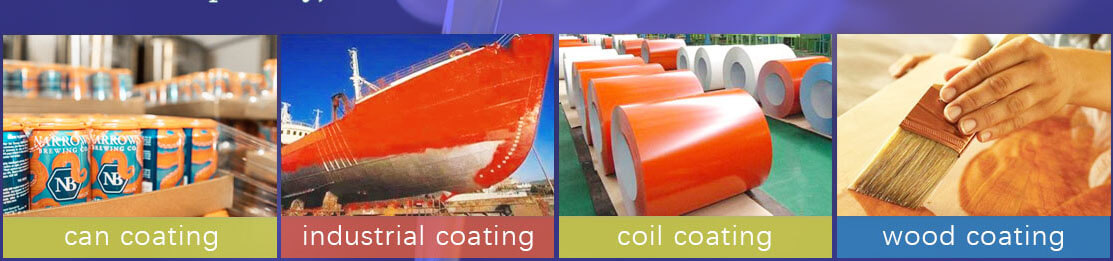
Industrial coatings are used in a wide range of environments, from metal protection and machinery coatings to flooring and packaging. Each application has specific requirements in terms of durability, surface properties, and processing conditions.
The first factor to consider when choosing PE wax is the desired performance outcome. Some applications prioritize scratch resistance, while others focus on slip, anti-blocking, or surface smoothness. Understanding the primary performance target helps narrow down the selection.
Particle size is one of the most important parameters. Smaller particle sizes generally provide better dispersion and more uniform surface coverage. This leads to improved surface properties such as smoothness and consistent slip.
However, very fine particles may have a stronger impact on gloss or transparency. For applications where appearance is critical, such as high-gloss coatings, careful selection is required.
Melting point is another key factor. Higher melting point waxes tend to provide better thermal stability and improved resistance to deformation under heat. This is particularly important in applications exposed to high temperatures or mechanical stress.
Lower melting point waxes may offer better compatibility and easier film formation but may not provide the same level of durability.
Compatibility with the coating system is essential. PE wax must be compatible with the resin, solvents, and other additives used in the formulation. Poor compatibility can result in issues such as haze, reduced adhesion, or instability.
The form of the wax also matters. PE wax is available as micronized powder, dispersion, or emulsion. Water-based coatings typically use emulsions or dispersions, while solvent-based systems may use micronized wax.
Application method and processing conditions should also be considered. For example, coatings applied by spray or roll coating may require different rheological properties compared to brush-applied coatings.
Cost-performance balance is another important consideration. While high-performance waxes may provide superior results, they must also be economically viable for the intended application.
In many cases, formulators use a combination of waxes to achieve the desired balance of properties. For example, blending PE wax with PTFE wax can enhance performance while controlling cost.
Testing and optimization are essential steps in the selection process. Laboratory evaluations and real-world trials help ensure that the chosen wax meets all performance requirements.
Choosing the right PE wax is a critical step in developing high-performance industrial coatings. A well-selected wax can significantly improve durability, surface quality, and processing efficiency.
If you need support in selecting the right PE wax for your industrial coating formulations, we offer a wide range of products and technical expertise to help you achieve optimal performance. Contact us to discuss your application.
 Leave a message
We’ll get back to you soon