


We’ll get back to you soon


Coil coatings are widely used in the production of pre-coated metal sheets for applications such as building materials, appliances, and automotive components. These coatings must provide not only aesthetic appeal but also strong resistance to mechanical damage during processing, transport, and installation.
One of the key challenges in coil coatings is maintaining surface quality under high-speed processing conditions. Metal sheets are continuously uncoiled, coated, cured, and recoiled, often at high speeds. During these processes, the coated surface is exposed to friction, pressure, and potential damage.
Polyethylene (PE) wax is commonly used as an additive in coil coatings to improve surface protection and slip properties. Its ability to modify the surface of the coating film makes it particularly valuable in this application.
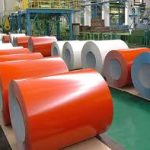
When incorporated into coil coating formulations, PE wax migrates to the surface during curing. This migration forms a thin protective layer that reduces friction between coated surfaces and equipment components.
Improved slip is essential in coil coating processes. It allows coated sheets to move smoothly through rollers and handling systems, reducing the risk of scratches and surface defects.
PE wax also enhances scratch and abrasion resistance. The protective wax layer absorbs mechanical stress and reduces direct damage to the coating film. This is particularly important during transportation and installation, where coated metal surfaces may come into contact with other materials.
Another important benefit is improved anti-blocking performance. Coated sheets are often stacked or coiled, and surface tack can lead to sticking. PE wax reduces surface adhesion, allowing sheets to separate easily without damage.
The selection of PE wax for coil coatings depends on factors such as particle size, melting point, and compatibility with the resin system. Higher melting point waxes are often preferred for their thermal stability during curing processes.
Micronized PE wax is commonly used in solvent-based coil coatings, while wax emulsions may be used in water-based systems.
Proper formulation design ensures that the wax provides the desired performance without negatively affecting gloss, adhesion, or flexibility.
Dosage optimization is essential. Excessive wax can lead to surface defects or reduced coating integrity, while insufficient wax may not provide adequate protection.
As coil coating technologies continue to advance, the demand for durable, high-performance coatings remains strong. PE wax plays a key role in meeting these requirements by improving surface protection and processing efficiency.
If you are formulating coil coatings and need to enhance slip, scratch resistance, and anti-blocking performance, our PE wax products are designed to meet the demands of high-speed metal coating applications. Contact us for technical support and product selection guidance.
 Leave a message
We’ll get back to you soon