


We’ll get back to you soon


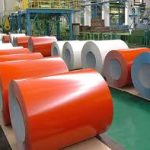 Mechanism of PTFE in Coil Coatings
PTFE micropowder enhances the performance of coil coatings through the following mechanisms:
1. Surface Migration and Enrichment Mechanism
During coating curing, PTFE micropowder migrates and accumulates on the coating surface due to density differences and surface energy. According to research by Tianshi Wax Powder, PTFE micropowder appears as individual particles on the surface, forming the first line of defense against wear. When the coating cools, polyethylene wax precipitates from the coating liquid, forming fine particles that float on the coating surface, providing a smooth and scratch-resistant effect, forming the second line of defense against wear.
2. Low Coefficient of Friction Mechanism
PTFE's extremely low surface energy allows it to form a low-friction protective film on the coating surface. According to official Teflon™ data, the static coefficient of friction for PTFE coatings is 0.12-0.15, and the dynamic coefficient of friction is 0.05-0.10. This protective film effectively reduces the frictional resistance of the coil during subsequent processing, reducing scratches and wear.
3. Hardness Enhancement Mechanism
Although pure PTFE has relatively low hardness, surface-modified PTFE micropowder or composite systems with PE wax can significantly improve the surface hardness of the coating. According to Lubrizol wax powder TF1792 product data, PTFE-modified polyethylene wax can achieve a strength of 2 (ASTM D1321), effectively improving the scratch resistance of the coating.
4. Self-Cleaning and Anti-fouling Mechanism
PTFE's hydrophobic and oleophobic properties result in extremely low surface energy, making it difficult for water droplets and oil stains to adhere. According to patent literature, coil coatings with added PTFE micropowder can control the dynamic coefficient of friction to ≤0.12, while also exhibiting excellent self-cleaning properties, reducing fingerprint and stain residue.
Synergistic Effect of PTFE Micropowder and PE Wax
Tianshi Wax Powder's Dual-Line Defense Theory
According to Tianshi Wax Powder's research, PTFE and polyethylene wax micropowder exhibit excellent synergistic effects:
First Line of Defense: Polytetrafluoroethylene (PTFE) wax, appearing as individual particles on the surface, forms the first line of defense against wear.
Second Line of Defense: When the coating cools, polyethylene wax precipitates from the coating liquid, forming fine particles that float on the coating surface, providing a smooth and scratch-resistant effect, thus forming the second line of defense against wear.
This dual-line defense mechanism makes the composite system of PTFE micropowder and PE wax far superior to single-component systems in terms of scratch resistance and wear resistance.
Addition Method and Dispersion Process
Addition Timing:
Solvent-based Coatings: Add in the later stages of production; disperse by low to medium speed stirring.
Powder Coatings: Grind or mix evenly with resin and additives.
Dispersion Process:
High-speed Stirring: 500-1000 rpm, 5-10 minutes.
Pre-dispersion Treatment: Can prepare a wax slurry with a wax powder concentration of 20%-30%, reducing dispersion time.
Precautions: Avoid grinding in a sand mill or three-roll mill, as this will affect performance.
If necessary, pre-dispersion with an organic solvent can be used to create a slurry for better results.
Storage Requirements:
Temperature: <30°C (or below 60°C, depending on product type)
Packaging: Inner polyethylene plastic bag, outer cardboard drum or kraft paper. Paper Bags
Shelf Life: 12-24 months (depending on product type)
Key Technical Points Summary:
Pure PTFE has poor abrasion resistance and needs to be modified by filling or used in combination with PE wax.
PTFE and PE wax have excellent synergistic effects, forming a double protective barrier.
For coil coatings, the recommended PTFE micron powder particle size **Dv50** is 4-6μm, with an addition amount of 0.3%-1.5%.
Four major challenges need to be considered: dispersibility, adhesion, gloss, and high-temperature baking stability.
Future development will focus on ultra-fine, functional, environmentally friendly, and intelligent directions.
As the coil coating industry continues to demand higher performance and environmental friendliness, PTFE micron powder, as a key functional additive, will play an increasingly important role in fields such as construction, home appliances, and automobiles. Through scientific formula design and process optimization, PTFE micron powder can comprehensively improve the scratch resistance, abrasion resistance, self-cleaning, and anti-fouling properties of coil coatings.
 Leave a message
We’ll get back to you soon