


We’ll get back to you soon


Water-based sealants are widely used in construction, decoration, packaging, woodworking, and industrial assembly applications due to their low VOC emissions, environmental friendliness, and ease of application. As performance requirements continue to increase, manufacturers are seeking additives that can enhance durability, water resistance, surface properties, and long-term stability without compromising formulation compatibility. Water-based wax emulsions have become an effective solution for improving the overall performance of modern waterborne sealant systems.
A water-based wax emulsion is a stable dispersion of fine wax particles in water that can be easily incorporated into various sealant formulations. Because of their excellent compatibility with waterborne systems, wax emulsions are commonly used in acrylic sealants, water-based construction sealants, decorative sealants, and specialty industrial sealing compounds.
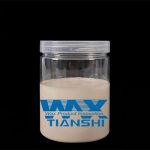
One of the primary benefits of adding wax emulsions to water-based sealants is improved water resistance. Sealants are often exposed to moisture, humidity, and occasional water contact during service. Wax particles create a hydrophobic effect within the sealant surface, helping reduce water penetration and enhancing long-term protection.
Anti-blocking performance is another important advantage. During packaging, transportation, and storage, cured sealant surfaces may come into contact with other materials. Wax emulsions help reduce surface tackiness and prevent unwanted adhesion, improving handling and product stability.
Surface smoothness can also be significantly enhanced. The presence of wax particles helps improve slip characteristics and creates a smoother sealant surface after curing. This can improve both the appearance and tactile quality of the finished application.
In many applications, sealants are exposed to repeated contact, cleaning, or mechanical stress. Water-based wax emulsions help improve scratch resistance and abrasion resistance, allowing the sealant surface to maintain its appearance and functionality over a longer service life.
Wax emulsions may also contribute to improved dirt resistance. By reducing surface energy, they make it more difficult for dust, dirt, and common contaminants to adhere to the cured sealant surface. This is particularly beneficial in architectural and decorative applications where long-term cleanliness is important.
For construction sealants used around windows, doors, wall joints, and decorative panels, enhanced water resistance and surface protection can significantly improve durability and customer satisfaction. Similar benefits can be achieved in wood sealants, packaging sealants, and industrial assembly formulations.
Another advantage of water-based wax emulsions is their ease of incorporation. They can often be added directly during formulation with minimal processing adjustments, making them a practical additive for both new product development and formulation upgrades.
Polyethylene wax emulsions, oxidized polyethylene wax emulsions, and specialty synthetic wax emulsions are commonly selected depending on the required balance of water resistance, anti-blocking performance, surface slip, and durability.
The optimal wax emulsion selection depends on the resin system, sealant application, curing conditions, and performance requirements. Through proper formulation and testing, manufacturers can achieve a sealant that combines environmental compliance with enhanced functionality.
As demand for high-performance water-based sealants continues to grow, wax emulsions are becoming an increasingly important additive technology. Their ability to improve water resistance, reduce tackiness, enhance surface smoothness, and increase durability makes them a valuable component in modern sealant formulations.
At Tianshi Wax, we offer high-performance water-based wax emulsions for sealants, coatings, adhesives, and specialty waterborne formulations. Contact our technical team today to learn more about our wax emulsion solutions and product recommendations for water-based sealant applications. Leave a message
We’ll get back to you soon