


We’ll get back to you soon


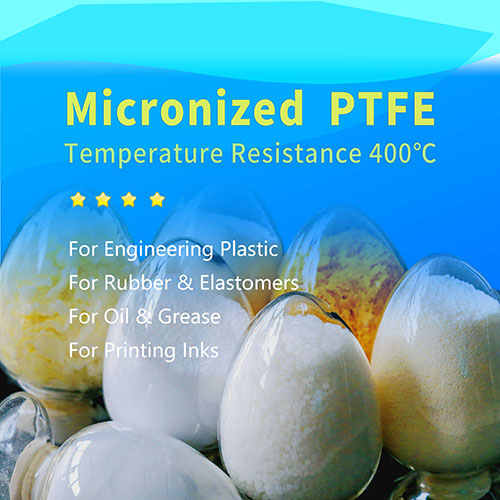 ptfe micropowder[/caption]
Technological difficulties in bonding medical expanded polytetrafluoroethylene (ePTFE) membranes before plasma surface modification
The bonding of medical expanded polytetrafluoroethylene (ePTFE) film is affected by material characteristics, adhesive composition, temperature and other factors, so the following technical difficulties will be faced in the actual bonding process:
1) The bonding between expanded polytetrafluoroethylene (ePTFE) membranes is very difficult, and the adhesive with complex chemical composition may affect the quality of the product.
2) Since the expanded polytetrafluoroethylene (ePTFE) membrane is stretched under heating to produce a microporous structure, when heated to a certain temperature, it will shrink back and the micropores will disappear, PTFE pakistan.
3) The ineffective components in the chemical binder may be removed with high temperature, and there is still a lack of a bonding method that can effectively solve the above difficult problems in the current technology.
Characteristics of Plasma Surface Modification of Medical Expanded Polytetrafluoroethylene (ePTFE) Membrane
Plasma surface modification is generally carried out at low temperature or room temperature, using ions generated by non-reactive gases such as He, Ar, N2, H2, and material surfaces to carry out physical and chemical reactions to form new nano-scale molecular structures, which can not only improve Adhesion to the surface of the material, maintaining the original characteristics of the material, and there will be no residual contamination on the surface.
Plasma surface modification treatment of expanded polytetrafluoroethylene (ePTFE) membranes, whether for tubular or sheet membranes, is a premium process. It can greatly improve the adhesion performance, avoid the shrinkage or disappearance of the micropores of the film due to excessive temperature, and will not produce by-products and so on. The degree of improvement of the bonding effect of the expanded polytetrafluoroethylene (ePTFE) film by the plasma surface modification process can be preliminarily verified by means of the dyne pen or the water contact angle. The change in the surface energy of the material can be reflected by the change in the contact angle of the sintered expanded polytetrafluoroethylene (ePTFE) membrane shown in the figure below.
Unsintered expanded polytetrafluoroethylene (ePTFE) membranes are very soft, and sintered expanded polytetrafluoroethylene (ePTFE) membranes are slightly harder. But in general, since the membrane material is very soft and easy to deform, the plasma surface modification equipment used should fully consider the material handling method and the convenience of picking and placing.
 Leave a message
We’ll get back to you soon