


We’ll get back to you soon


Waxes are widely used across industrial applications, including coatings, inks, plastics, and paper processing. Among the available options, polypropylene (PP) wax and paraffin wax represent two fundamentally different categories: synthetic performance waxes and traditional petroleum-based waxes.
While both materials are used for lubrication and surface modification, their performance characteristics differ significantly.
Paraffin wax is composed mainly of straight-chain hydrocarbons derived from petroleum refining. It is typically soft, has a relatively low melting point, and is widely used due to its low cost and availability.
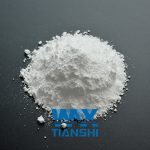
PP wax, on the other hand, is a synthetic wax derived from polypropylene. It offers higher hardness, better thermal stability, and more consistent performance.
One of the most noticeable differences is hardness. PP wax is significantly harder than paraffin wax, which allows it to provide better scratch resistance and abrasion resistance in coatings and inks.
Paraffin wax, being softer, is less effective in applications requiring high durability. However, its flexibility can be advantageous in certain uses such as moisture barrier coatings.
Melting point is another important distinction. PP wax generally has a higher melting point, making it suitable for applications involving elevated temperatures. Paraffin wax melts at lower temperatures and may not perform well under heat.
In terms of surface performance, PP wax provides better slip and more durable protection. Paraffin wax can offer some slip and water repellency but is less resistant to mechanical stress.
Compatibility and dispersion behavior also differ. PP wax is often engineered for specific applications, resulting in better compatibility and performance. Paraffin wax may require additional formulation adjustments.
Cost is a key factor. Paraffin wax is generally less expensive, making it suitable for cost-sensitive applications. PP wax, while more expensive, offers superior performance.
In many industrial formulations, paraffin wax is gradually being replaced by synthetic waxes such as PP wax due to increasing performance requirements.
However, in some cases, both waxes may be used together to achieve a balance between cost and performance.
The choice between PP wax and paraffin wax depends on the specific application needs and performance expectations.
If you are deciding between PP wax and paraffin wax, our team can help you select the best solution based on your requirements. Contact us for technical support and product recommendations.
 Leave a message
We’ll get back to you soon