

2025-09-28 Pageview:395
Powder coatings must deliver flawless appearance and robust performance at high throughput. One recurring manufacturing defect is pinholes, craters or blisters that form when trapped gases or volatiles escape from the film during cure. In commercial powder systems, polyamide wax (PA wax) is the go-to degassing and multifunctional additive to suppress these defects while adding practical surface and processing benefits.

Polyamide wax works differently from simple hydrocarbon waxes. During cure it softens and migrates in a controlled way near the coating surface, enabling trapped gases to release gently and preventing the formation of surface holes. At the same time PA wax forms a thin, tough surface layer that reduces tack and blocking — a key benefit for stacked panels and post-cure handling. Because of its polar backbone and thermal behavior, polyamide wax shows good compatibility with common powder chemistries (polyester, epoxy/polyester, TGIC-free systems), making it broadly usable across industrial, appliance and architectural applications.
Beyond degassing, PA wax offers multiple functions that matter in production and end-use: it improves anti-blocking and slip (reducing panel sticking and easing handling), contributes to improved abrasion and scuff resistance, can help control surface sheen, and in many formulations reduces dust pickup and equipment build-up during application. This multifunctionality is why formulators often call PA wax a “must-have” for high-quality powder finishes — one additive addresses visible defects and several downstream quality points simultaneously.
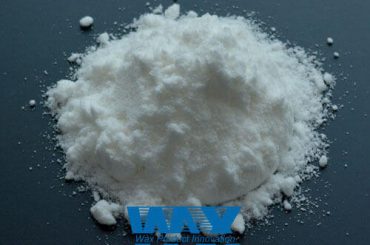
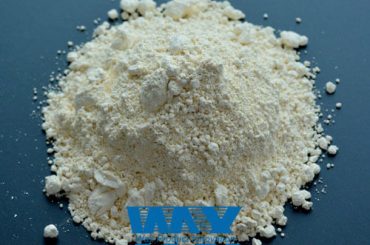
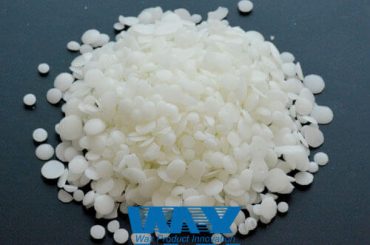
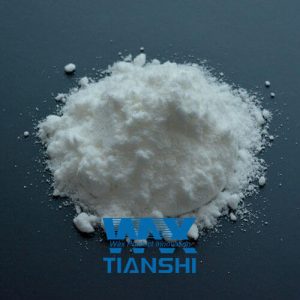
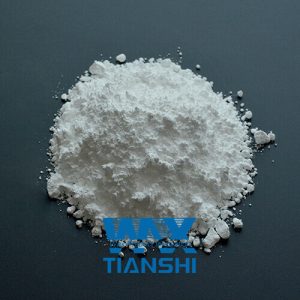
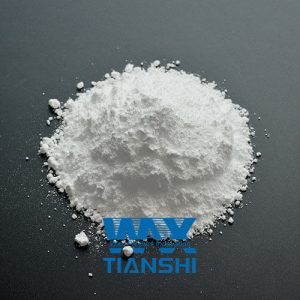
In practice, polyamide wax is supplied in different physical forms and grades: fine powders, micronized grades, and some functionalized/modified polyamide waxes tailored for faster surface migration or improved adhesion. Selection depends on the resin system and target performance. Typical starting dosages for lab trials are modest (often in the range of 0.3–1.5 wt% of the total powder formulation), with adjustments based on pinhole testing, gloss targets and abrasion results. Over-dosing can cause surface bloom or slightly reduced intercoat adhesion in sensitive systems, so titration and application tests are essential.
Formulation strategy often pairs PA wax with other additives for balanced performance. For example, PA wax for degassing + micronized PE wax for hardness or PTFE for ultra-low surface friction gives a tailored surface profile: fewer defects, better scuff resistance and desired slip/anti-blocking. For water-borne or special hybrid powder chemistries, oxidized or modified polyamide wax grades may be recommended to improve compatibility and minimize migration-related issues.
In short, polyamide wax is not just a degassing aid — it is a multifunctional powder-coating enhancer that improves surface quality, handling and durability while reducing reject rates. If your powder coatings face pinholes, blocking, or surface durability challenges, a correctly specified polyamide wax grade can often solve several problems at once.
 Leave a message

We’ll get back to you soon