

2025-10-23 Pageview:150
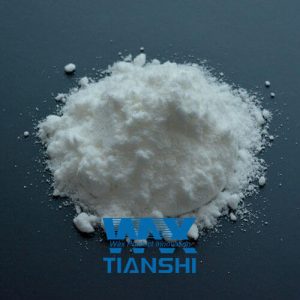
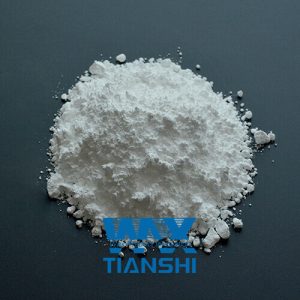
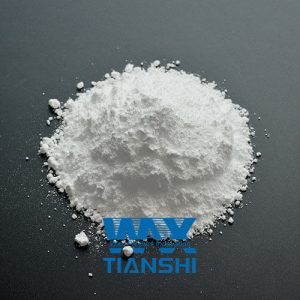
In modern PVC production, maintaining a balance between processing stability and output efficiency is a daily challenge. High torque, poor melt flow, or irregular product dimensions can easily arise if the lubrication system is not optimized. Among the various processing aids available, polyethylene wax—commonly known as PE wax—stands out as one of the most effective and reliable additives to achieve stable extrusion and consistent quality.
PE wax functions as both an internal and external lubricant in PVC systems. Internally, it reduces the intermolecular friction between PVC resin particles during the fusion stage, ensuring a more uniform gelation and melt formation. Externally, it minimizes friction between the molten PVC and the metal surfaces of the extruder, such as screws and dies. This dual action ensures that the polymer melt flows smoothly under controlled shear and temperature, which translates directly into more stable pressure, lower torque, and higher output rates.
One of the greatest benefits of using PE wax is its ability to maintain extrusion consistency over long production runs. In many PVC pipe and profile factories, operators notice that production becomes smoother, surface quality improves, and less downtime is needed for cleaning when PE wax is properly incorporated into the formulation. The additive prevents melt adhesion to metal parts, reducing die buildup and surface defects. At the same time, it helps distribute heat evenly, minimizing localized overheating and color degradation.
Compared with traditional lubricants, such as stearates or paraffin wax, PE wax offers superior thermal stability and compatibility with a wide range of stabilizers and fillers. It performs well even under high shear conditions or elevated processing temperatures, maintaining its lubricating efficiency without volatilizing or decomposing. The controlled molecular weight and hardness of PE wax also make it easy to adjust performance: low-molecular-weight grades emphasize flow and lubrication, while higher-molecular-weight types improve surface hardness and scratch resistance of finished PVC products.
For PVC cables, films, or sheets, PE wax plays a slightly different but equally important role. It helps ensure smooth extrusion while enhancing the gloss and smoothness of the surface. Because of its excellent dispersibility, it also improves pigment and filler distribution, giving products better color uniformity and mechanical strength. Additionally, PE wax contributes to energy savings by lowering extrusion pressure and torque, which reduces mechanical wear and extends equipment lifetime.
When choosing the right PE wax for PVC, formulators should consider factors such as melt viscosity, density, acid value, and particle size. A balanced formulation—where PE wax complements calcium stearate, stabilizers, and impact modifiers—can significantly boost overall line productivity. In many high-performance PVC compounds, a well-optimized wax system is the invisible reason behind flawless output and superior surface finish.
Ultimately, PE wax acts as the “quiet engineer” inside every efficient extrusion line. It doesn’t change the formulation chemistry dramatically, but it ensures every component performs at its best. From smooth melt flow to long-term dimensional stability, from lower energy costs to better product gloss, the contribution of PE wax goes far beyond lubrication—it’s the key to transforming friction into flow, and inconsistency into reliability.
If you’re seeking a high-quality PE wax designed for stable PVC processing, contact our technical team for tailored product recommendations and formulation support.
 Leave a message

We’ll get back to you soon