

2026-03-25 Pageview:100
Coil coatings are widely used in pre-painted metal applications such as roofing panels, appliances, HVAC systems, and architectural materials. These coatings must deliver not only visual quality but also strong mechanical durability throughout processing, transportation, and installation.
One of the main challenges in coil coating systems is maintaining surface integrity under high-speed processing conditions. During production, coated metal strips are continuously transported through rollers, ovens, and recoiling systems. This creates significant friction and contact pressure, which can lead to scratches, scuffing, or surface defects.
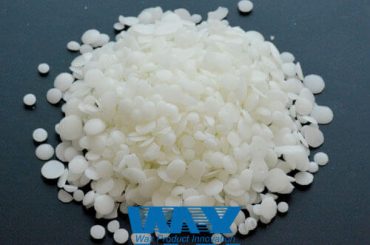
To address these issues, polyethylene (PE) wax is commonly used as a functional additive in coil coating formulations. Its ability to modify surface properties makes it highly effective in improving both slip and surface protection.
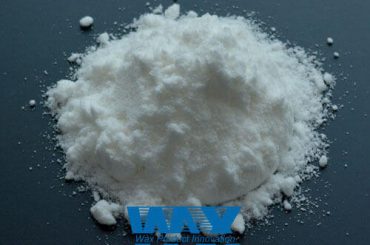
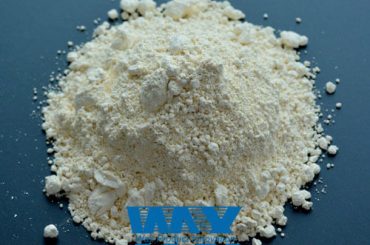
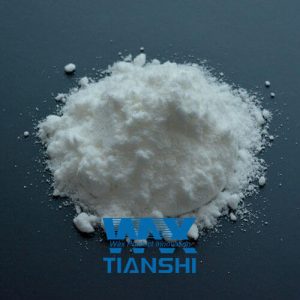
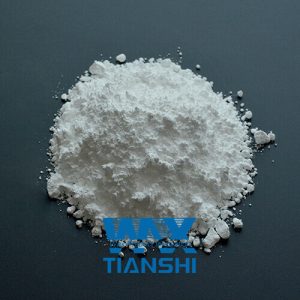
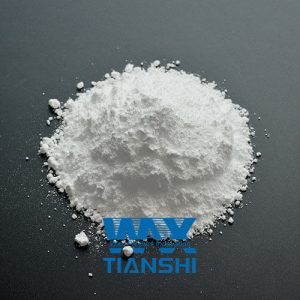
When PE wax is incorporated into a coating system, it is typically introduced as a micronized powder or dispersion. During the curing process, wax particles migrate toward the coating surface and form a thin, lubricating layer. This surface enrichment is critical to its performance.
The presence of this wax layer significantly reduces the coefficient of friction. Lower friction allows coated metal sheets to move smoothly through processing equipment, reducing the likelihood of surface damage. This is particularly important in high-speed coil coating lines where even minor friction can lead to visible defects.
In addition to improving slip, PE wax enhances scratch and abrasion resistance. The wax layer acts as a protective barrier that absorbs mechanical stress. Instead of the coating film being directly damaged, the wax layer reduces the impact of contact forces.
Anti-blocking performance is another important benefit. Coated coils are often wound and stacked, and without proper surface modification, layers may stick together. PE wax reduces surface tack, allowing sheets to separate easily without damaging the coating.
The selection of PE wax for coil coatings depends on several factors. Particle size influences surface smoothness and uniformity, while melting point affects thermal stability during curing. Higher melting point waxes are often preferred for coil coatings because they can withstand high curing temperatures without degradation.
Compatibility with the resin system is also essential. Poor compatibility may lead to defects such as haze, reduced adhesion, or uneven surface properties. Therefore, selecting a wax grade designed for the specific coating system is critical.
Dosage optimization is important to achieve the right balance. Too little wax will not provide sufficient protection, while too much may affect gloss, flexibility, or adhesion.
As coil coating applications demand higher durability and processing efficiency, PE wax remains a key additive for improving performance and maintaining surface quality.
If you are developing coil coatings and need to improve slip, scratch resistance, and anti-blocking performance, our PE wax products are designed to meet the demands of high-speed metal coating processes. Contact us for tailored recommendations and technical support.
 Leave a message

We’ll get back to you soon