

2026-09-01 Pageview:15
Polyvinyl chloride (PVC) is one of the most widely used plastics in the world, serving industries such as construction, electrical infrastructure, automotive, packaging, and consumer products. Whether manufacturing PVC pipes, window profiles, fittings, cables, sheets, or flooring, processors must carefully control lubrication, fusion behavior, melt flow, and surface quality. Among the various processing additives used in PVC formulations, Fischer-Tropsch (FT) wax has become an increasingly important lubricant due to its unique molecular structure and excellent processing performance.
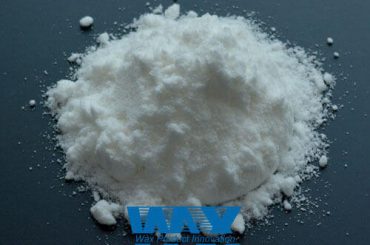
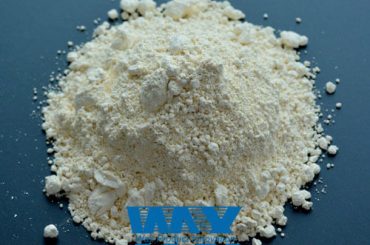
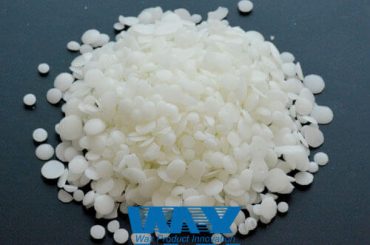
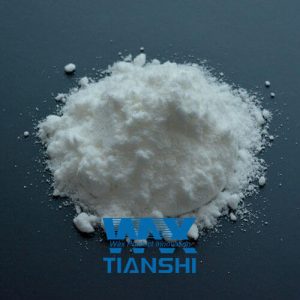
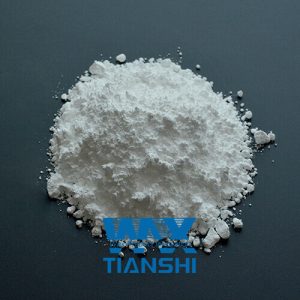
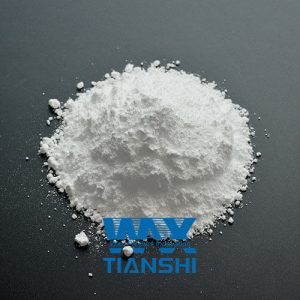
Fischer-Tropsch wax is a synthetic wax produced through the Fischer-Tropsch synthesis process. Compared with conventional polyethylene waxes and paraffin waxes, FT wax typically offers higher purity, a narrow molecular weight distribution, a higher melting point, and excellent thermal stability. These characteristics make it highly suitable for demanding PVC processing applications.
One of the primary functions of Fischer-Tropsch wax in PVC formulations is external lubrication. During extrusion and molding, PVC compounds are exposed to significant friction between the molten material and processing equipment. FT wax helps reduce metal-to-polymer friction, improving material flow through the processing system and reducing equipment wear.
Because of its excellent lubricating efficiency, relatively low addition levels of FT wax can often deliver significant processing improvements. This allows formulators to optimize performance while maintaining cost-effectiveness and formulation flexibility.
Another important benefit is improved processing stability. Consistent lubrication helps maintain stable extrusion pressure, smooth material flow, and uniform product dimensions. This is particularly important in high-speed PVC extrusion operations where production consistency directly affects product quality and manufacturing efficiency.
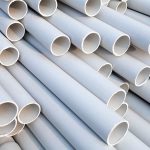
PVC pipe production is one of the most common applications for Fischer-Tropsch wax. Pipe manufacturers use FT wax to improve melt flow, reduce die buildup, enhance surface smoothness, and support stable processing. The result is improved production efficiency and higher-quality finished products.
In PVC profile extrusion, including window and door profiles, FT wax helps reduce processing friction while maintaining good dimensional control. Improved lubrication can contribute to smoother surfaces and more consistent profile quality.
Fischer-Tropsch wax is also widely used in PVC cable compound formulations. The lubricant helps improve filler dispersion, processing efficiency, and surface finish while supporting stable extrusion performance.
Another advantage of FT wax is its contribution to improved surface appearance. Proper lubrication reduces the likelihood of surface defects such as flow marks, roughness, and die lines. This is especially important for visible PVC products where appearance plays a key role in market acceptance.
In highly filled PVC compounds, FT wax can help improve the dispersion of fillers and pigments. Better dispersion contributes to more uniform product quality and enhanced processing behavior throughout production.
Compared with traditional paraffin waxes, Fischer-Tropsch wax often provides better thermal stability and more consistent processing performance. Compared with some polyethylene waxes, FT wax can deliver highly efficient external lubrication while maintaining formulation flexibility.
The choice of FT wax grade depends on factors such as melting point, viscosity, molecular weight, PVC formulation design, processing equipment, and end-use requirements. Manufacturers typically evaluate lubrication balance carefully to ensure proper fusion and processing performance.
In many PVC formulations, Fischer-Tropsch wax is used in combination with other lubricants such as oxidized polyethylene wax, polyethylene wax, calcium stearate, and processing aids. This allows formulators to optimize both internal and external lubrication effects.
As PVC processors continue to pursue higher productivity, improved surface quality, and greater manufacturing efficiency, Fischer-Tropsch wax remains a valuable additive technology. Its ability to improve lubrication, processing stability, melt flow, and product appearance makes it an important component of modern PVC formulations.
At Tianshi Wax, we offer high-performance Fischer-Tropsch waxes for PVC pipes, profiles, cables, sheets, fittings, and specialty PVC compounds. Contact our technical team today to learn more about our FT wax solutions and formulation support services.
 Leave a message

We’ll get back to you soon