

2025-12-29 Pageview:93
In polymer processing and coating formulations, the choice of lubricant in stabilizer systems plays a critical role in determining product performance, processing efficiency, and surface quality. A well-selected lubricant can improve slip, reduce friction, prevent blocking, and enhance the overall durability of the final product. For formulators, understanding the interaction between stabilizers and lubricants is essential to optimize performance, especially when using wax additives such as micronized wax, wax emulsions, or wax dispersions.
Stabilizer systems are designed to protect polymers and coatings from degradation due to heat, light, or mechanical stress. However, the addition of stabilizers can sometimes impact the flow and surface properties of materials, making it necessary to pair them with effective lubricants. Lubricants reduce the coefficient of friction during processing, facilitate material flow, and prevent adhesion between polymer chains or coated layers. This not only ensures smoother production but also maintains the desired surface finish and functional properties.

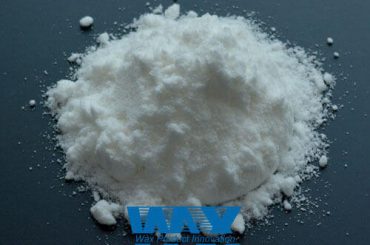
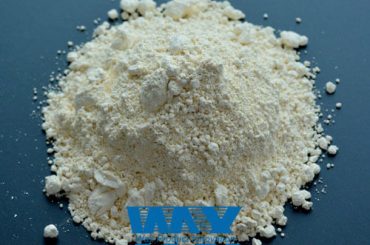
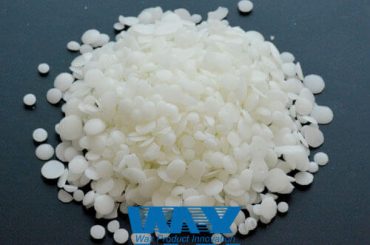
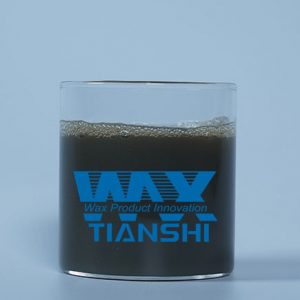
wax additive
Wax-based additives are widely recognized as effective lubricants in stabilizer systems. Micronized wax, for instance, features extremely fine particle sizes that allow for uniform dispersion in polymer melts or coating matrices. This uniform distribution helps reduce friction between polymer chains and stabilizer molecules, minimizing surface defects and improving processing stability. Micronized wax also enhances slip and anti-blocking properties, which is particularly important in applications such as PVC profiles, sheets, and films where surfaces must remain smooth and non-sticky.
Wax emulsions offer another versatile option for stabilizer systems. Unlike solid waxes, emulsions are liquid suspensions that can be directly incorporated into water-based formulations. Wax emulsions form a thin protective layer on polymer or coating surfaces, improving slip and surface smoothness while maintaining compatibility with stabilizers. They also contribute to scratch and abrasion resistance, ensuring that the finished products retain high-quality surfaces even under mechanical stress.
When selecting a lubricant for a stabilizer system, formulators must consider several key factors:
Compatibility: The lubricant should be chemically compatible with both the polymer and stabilizer system to avoid adverse reactions or reduced efficacy. Wax additives, including both micronized wax and emulsions, are generally compatible with a wide range of polymers, resins, and stabilizers, making them reliable choices.
Processing Conditions: The processing temperature, shear rate, and extrusion or coating method influence the performance of lubricants. Micronized waxes with high thermal stability can withstand elevated processing temperatures without degradation, while wax emulsions are well-suited for aqueous systems and lower-temperature applications.
Functional Requirements: Depending on the target application, the lubricant may need to enhance slip, reduce blocking, improve scratch resistance, or all of the above. Wax additives can be tailored to meet these specific requirements. For instance, micronized wax is ideal for enhancing slip and reducing friction, whereas wax emulsions are better for surface protection and abrasion resistance in water-based coatings.
Dosage Optimization: The amount of lubricant added to a stabilizer system directly affects both processing and final product properties. Overdosing may lead to surface blooming or gloss reduction, while insufficient amounts may fail to achieve the desired slip or anti-blocking effect. Manufacturers should provide guidelines for optimal dosage ranges for each wax additive.
By incorporating our range of wax additives into stabilizer systems, formulators can achieve balanced performance. Our micronized waxes ensure excellent flow, slip, and surface uniformity, while our wax emulsions enhance surface smoothness and abrasion resistance in water-based coatings and polymer applications. Selecting the right type and grade of wax additive enables precise control over the processing behavior and surface quality of finished products.
In addition to performance benefits, wax additives contribute to sustainable processing by reducing energy consumption and wear on processing equipment. Improved slip and reduced friction mean lower extrusion pressures and more stable coating operations, which can translate to cost savings and more efficient production lines.
In conclusion, the choice of lubricant in stabilizer systems is a critical decision that affects processing efficiency, surface quality, and long-term product performance. Wax additives, including micronized wax and wax emulsions, provide versatile and effective solutions for enhancing slip, reducing friction, and preventing blocking in polymer and coating systems. By considering compatibility, processing conditions, functional requirements, and optimal dosage, formulators can select the most suitable lubricant for their stabilizer systems, ensuring durable, high-quality results.
 Leave a message

We’ll get back to you soon