

2025-12-29 Pageview:232
PVC edge banding is widely used in furniture and interior applications to cover exposed panel edges, providing both aesthetic appeal and functional protection. During processing, the choice of lubricant is critical to ensure smooth extrusion, prevent sticking, and maintain the surface quality of the finished edge band. A well-selected lubricant not only facilitates processing but also enhances the durability and appearance of the final product. Wax additives, such as micronized wax and wax emulsions, have become essential components in PVC edge banding formulations due to their excellent slip, anti-blocking, and surface performance properties.
Lubricants in PVC edge banding formulations serve multiple purposes. They reduce friction between the polymer melt and processing equipment, improve flow, prevent surface defects, and enhance the overall appearance and functionality of the product. Without the right lubricant, PVC edge banding may exhibit issues such as sticking to rollers or dies, surface scratches, or uneven gloss. This can lead to higher scrap rates, lower production efficiency, and inconsistent product quality.

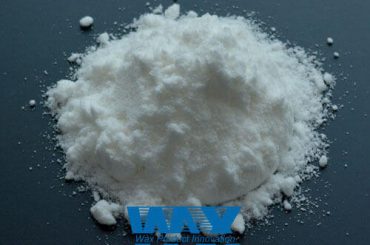
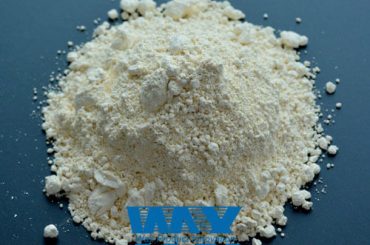
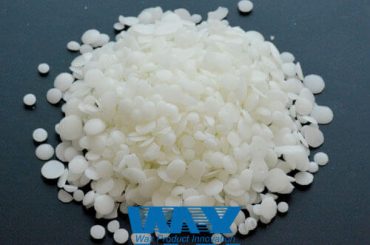
Micronized wax is a highly effective lubricant for PVC edge banding. Its fine particle size allows for uniform dispersion within the polymer matrix, reducing internal friction and facilitating smooth extrusion. Micronized wax also improves slip between the edge band and cutting or finishing tools, minimizing surface damage and ensuring a clean, polished look. Additionally, it enhances anti-blocking properties, preventing newly extruded strips from sticking to each other during cooling and storage. These attributes make micronized wax an ideal choice for high-performance PVC edge banding applications.
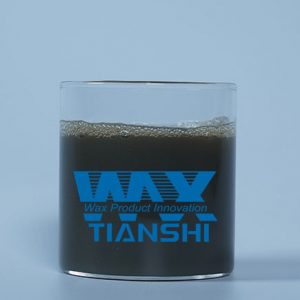
Wax emulsions provide another versatile option, particularly in water-based PVC formulations or surface treatments. Unlike solid waxes, wax emulsions can be easily incorporated into aqueous systems, forming a thin, uniform protective layer on the PVC surface. This layer improves slip, reduces friction, and enhances abrasion resistance, resulting in smoother, more durable edge banding. Wax emulsions also contribute to consistent surface gloss and appearance, which is essential for high-quality decorative applications.
When selecting a lubricant for PVC edge banding, several factors should be considered:
Compatibility: The lubricant must be compatible with both the PVC resin and any stabilizers or additives in the formulation. Wax additives from our product range are designed to provide excellent compatibility with a variety of PVC grades, stabilizers, and pigments, ensuring optimal performance without adverse reactions.
Processing Conditions: The extrusion temperature, die design, and line speed all influence lubricant performance. Micronized waxes are thermally stable and maintain their effectiveness at typical PVC processing temperatures, while wax emulsions are well-suited for aqueous systems and surface coatings applied after extrusion.
Functional Requirements: The target performance attributes, such as slip, anti-blocking, scratch resistance, or surface gloss, dictate the type and amount of lubricant used. Micronized wax is particularly effective for internal lubrication and slip enhancement, whereas wax emulsions excel in improving surface finish and abrasion resistance.
Dosage Optimization: Adding too much lubricant can result in surface blooming, reduced adhesion of coatings, or altered mechanical properties, while insufficient lubricant may fail to deliver the desired slip and anti-blocking effect. Our product guidelines provide recommended dosage ranges to ensure optimal performance for each application.
Incorporating our wax additives into PVC edge banding formulations allows manufacturers to achieve balanced performance and high-quality output. Micronized wax ensures smooth processing, improved slip, and anti-blocking during extrusion, while wax emulsions enhance surface smoothness, scratch resistance, and aesthetic appeal. By carefully selecting the right type and dosage of wax additive, formulators can optimize both processing efficiency and finished product quality.
Beyond performance benefits, wax additives also contribute to more sustainable and efficient production. Reduced friction lowers the energy consumption of extrusion lines, decreases wear on equipment, and minimizes waste due to surface defects. This results in cost savings, higher productivity, and more consistent products.
In conclusion, the choice of lubricant in PVC edge banding formulations is a key factor in achieving smooth extrusion, superior surface quality, and durable performance. Wax additives, including micronized wax and wax emulsions, offer versatile solutions to meet these requirements. By considering compatibility, processing conditions, functional requirements, and dosage, formulators can select the most suitable lubricant to ensure high-quality, efficient, and visually appealing PVC edge banding products.
 Leave a message

We’ll get back to you soon