

2026-03-10 Pageview:100
Automotive and industrial coatings are designed to deliver long-term protection and maintain surface appearance under demanding conditions. These coatings are exposed to various types of mechanical stress, including friction, abrasion, and impact. As a result, improving scratch resistance and surface durability is a key objective for coating formulators.
PTFE wax has become one of the most effective additives for achieving high-performance surface protection in these coatings. Due to its unique chemical structure and extremely low coefficient of friction, PTFE wax can significantly enhance the scratch and abrasion resistance of coating films.
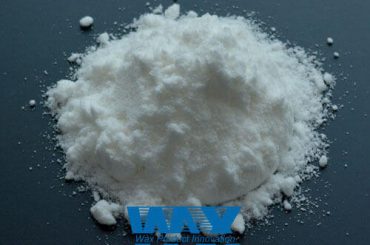
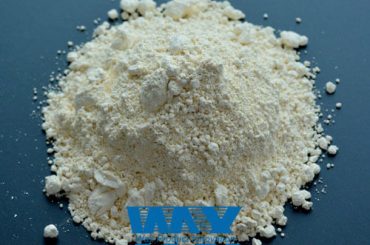
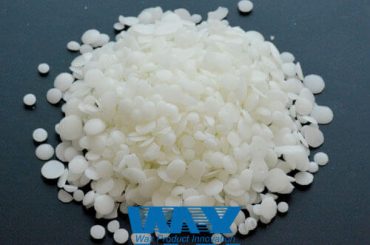
PTFE, or polytetrafluoroethylene, is widely known for its outstanding lubricating properties and chemical stability. When processed into micronized wax form, PTFE particles can be incorporated into coating formulations to provide surface performance benefits without significantly affecting coating appearance.
During the curing process, PTFE wax particles tend to migrate toward the coating surface. This migration creates a thin protective layer enriched with PTFE particles. Because PTFE has one of the lowest friction coefficients among solid materials, the resulting surface layer greatly reduces friction between the coating and external objects.
This low-friction surface helps prevent scratches when objects slide across the coating. Instead of cutting into the coating film, contacting materials glide smoothly across the surface. This mechanism significantly improves scratch resistance and reduces visible surface damage.
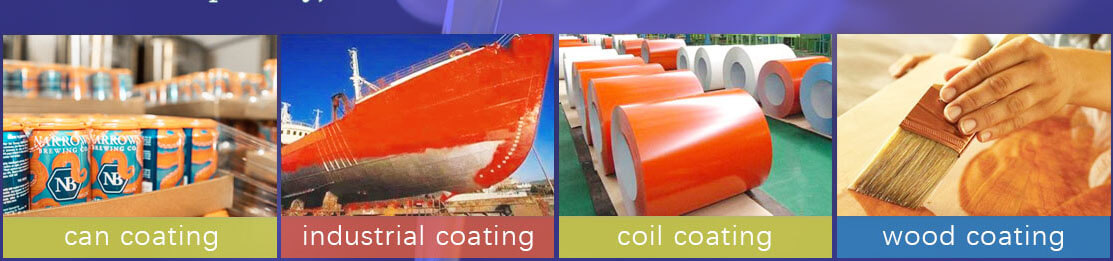
In automotive coatings, PTFE wax additives are often used in clear coats, industrial parts coatings, and protective finishes. Vehicles and automotive components frequently encounter mechanical contact during washing, handling, and daily use. PTFE wax helps protect the coating surface from micro-scratches that can accumulate over time.
Industrial coatings also benefit from PTFE wax technology. Machinery housings, metal equipment, appliances, and other industrial products often operate in environments where surfaces are exposed to abrasion and friction. Incorporating PTFE wax into these coatings improves their durability and extends service life.
Another advantage of PTFE wax is its excellent temperature resistance. Many industrial coatings must withstand elevated temperatures during service. PTFE maintains its lubricating properties and structural stability across a wide temperature range, making it suitable for demanding environments.
In addition to scratch resistance, PTFE wax additives can also enhance abrasion resistance, slip properties, and anti-blocking performance. These combined effects improve both the functional performance and the visual quality of the coating surface.
However, achieving optimal results requires careful formulation design. Because PTFE wax is highly hydrophobic, proper dispersion techniques are necessary to ensure uniform distribution within the coating system. Micronized PTFE wax with controlled particle size is typically preferred to maintain coating smoothness and transparency.
Dosage optimization is also important. Small amounts of PTFE wax can significantly improve surface performance, while excessive loading may affect coating gloss or clarity.
As coating technologies continue to evolve toward higher durability and longer service life, PTFE wax will remain an essential additive for high-performance automotive and industrial coatings.
If you are looking for PTFE wax solutions to improve scratch resistance and abrasion resistance in your coating formulations, we offer high-quality micronized PTFE wax products suitable for a wide range of industrial applications. Contact us to learn more about product specifications and request technical support or samples.
 Leave a message

We’ll get back to you soon