

2026-03-10 Pageview:90
Coil coatings and metal coatings are widely used in industries such as construction, household appliances, automotive components, and packaging materials. These coatings must provide not only corrosion protection but also excellent surface durability, as coated metal surfaces often undergo multiple handling, transportation, and processing steps.
During production and fabrication, coated metal sheets are frequently subjected to mechanical contact. Stacking, rolling, cutting, and forming processes can easily cause scratches, blocking, or surface damage. For this reason, wax additives are commonly incorporated into coil coating and metal coating formulations to improve surface performance.
Choosing the right wax additive for these applications requires an understanding of the specific performance requirements of the coating system. Different wax types offer different advantages in terms of scratch resistance, slip properties, abrasion resistance, and compatibility with coating binders.
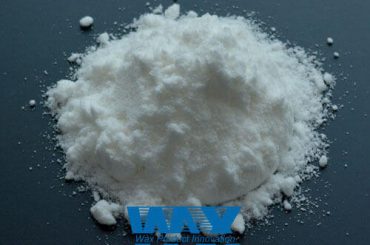
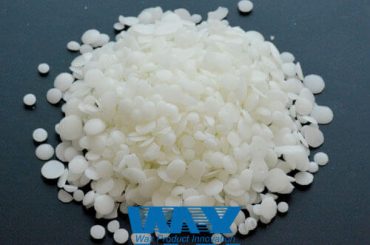
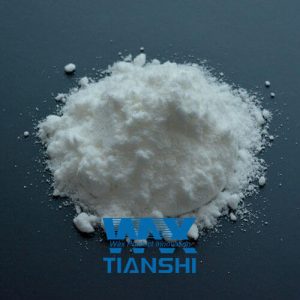
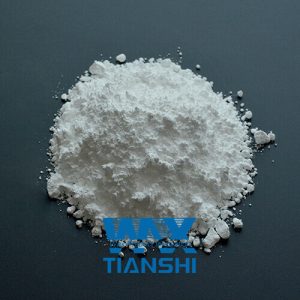
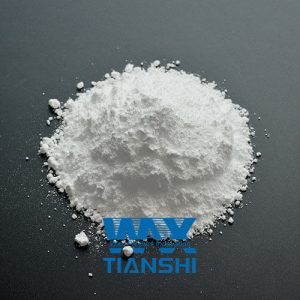
Micronized polyethylene wax is one of the most widely used additives in coil coatings. Its fine particle size allows it to disperse uniformly within the coating film. During curing, the wax particles migrate toward the surface and form a protective micro-layer that reduces friction and improves scratch resistance.
This property is particularly important for coil coatings because metal sheets often slide against each other during processing and transport. The wax layer reduces surface friction and helps prevent damage that could otherwise affect the visual appearance and protective function of the coating.
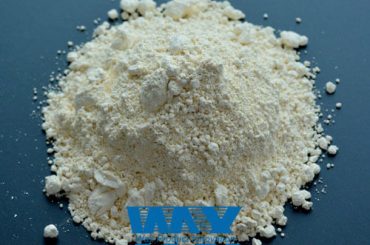
For applications requiring even higher surface durability, PTFE-based wax additives may be used. PTFE wax is known for its extremely low coefficient of friction and excellent wear resistance. When incorporated into metal coatings, PTFE wax particles create a highly durable surface that resists scratching and abrasion under demanding conditions.
Another factor to consider when selecting wax additives is compatibility with the coating system. Coil coatings may be based on polyester, epoxy, polyurethane, or other resin systems. The chosen wax additive must be compatible with the binder to ensure good dispersion and stable performance.
Particle size also plays an important role in determining coating appearance. Large wax particles can cause surface defects or reduce coating smoothness. Therefore, micronized waxes with controlled particle sizes are typically preferred in high-quality metal coating formulations.
In addition to improving scratch resistance, wax additives can provide several additional benefits. These include anti-blocking performance, improved slip during processing, enhanced abrasion resistance, and better surface feel. These properties help ensure that coated metal products maintain their quality throughout manufacturing and end-use applications.
Proper dosage optimization is essential to achieve the desired balance between performance and appearance. Excessive wax loading may affect coating gloss or transparency, while insufficient amounts may not provide adequate surface protection.
By carefully selecting the appropriate wax additive and optimizing the formulation, coating manufacturers can significantly improve the durability and processing performance of coil and metal coatings.
If you are developing coil coating or metal coating formulations and need reliable wax additives for scratch resistance and slip control, we offer a range of micronized waxes and PTFE waxes designed for these demanding applications. Contact us to learn more about our product solutions and technical support.
 Leave a message

We’ll get back to you soon