

2026-03-19 Pageview:135
Modern mold release formulations are required to deliver consistent performance under increasingly demanding industrial conditions. Whether in die casting, plastic molding, or rubber processing, release agents must provide reliable lubrication, prevent sticking, and protect molds.
High performance wax additives play a central role in achieving these objectives. By carefully selecting and formulating waxes, manufacturers can significantly enhance the performance of their release systems.
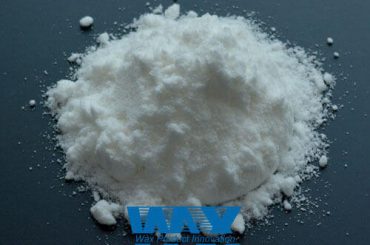
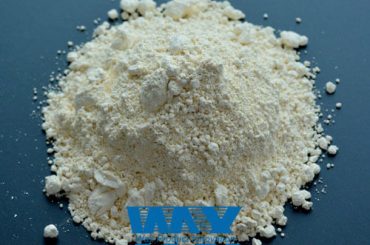
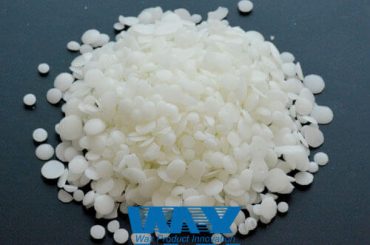
Different types of waxes offer distinct advantages. Polyethylene wax provides good lubrication and film strength, making it a versatile choice for many applications. PTFE wax offers superior lubricity and temperature resistance, making it suitable for high-performance systems.

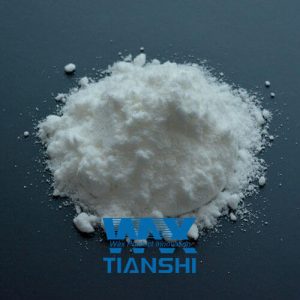
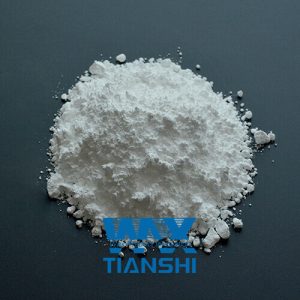
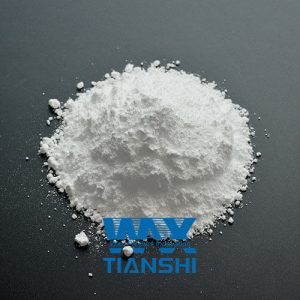
wax additive
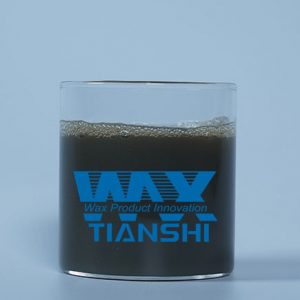
Wax emulsions are often used in water-based formulations due to their ease of handling and compatibility. They allow for uniform distribution of wax particles and consistent film formation during application.
Micronized waxes, on the other hand, are preferred in systems where precise control of particle size and surface properties is required. They provide excellent coverage and contribute to improved release performance.
One of the primary functions of wax additives is to reduce friction. By forming a lubricating layer, they minimize adhesion between the mold and the molded material, enabling easy release.
In addition to lubrication, wax additives also enhance durability. A well-formed wax film can withstand repeated cycles, maintaining consistent performance over time.
Wax additives also contribute to improved surface finish. Reduced friction and uniform film formation result in smoother molded parts with fewer defects.
Another important benefit is mold protection. Wax films act as a barrier that reduces wear and extends the lifespan of molds, which is especially important in high-cost tooling applications.
Formulation flexibility is another advantage. Different waxes can be combined to achieve a balance between performance and cost. For example, blending polyethylene wax with PTFE wax can deliver both economic efficiency and high-end performance.
However, achieving optimal performance requires careful formulation design. Factors such as wax type, particle size, concentration, and compatibility with other components must be considered.
Processing conditions, including temperature and application method, also influence the effectiveness of wax additives.
As industrial processes continue to demand higher efficiency and quality, high performance wax additives will remain essential components of advanced mold release formulations.
If you are developing or optimizing mold release agents, our range of high performance wax additives can help you achieve better lubrication, improved durability, and consistent release performance. Contact us to discuss your specific requirements.
 Leave a message

We’ll get back to you soon