

2025-10-21 Pageview:291
Thermoplastic road marking paints are widely used for highways, parking areas, and urban roads due to their excellent reflectivity, wear resistance, and rapid drying properties. However, maintaining consistent flow, color stability, and long-term durability under heavy traffic and harsh weather remains a technical challenge.
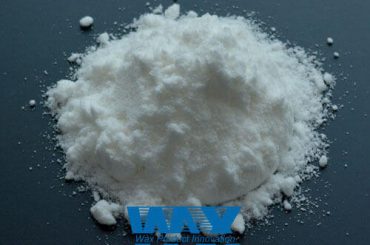
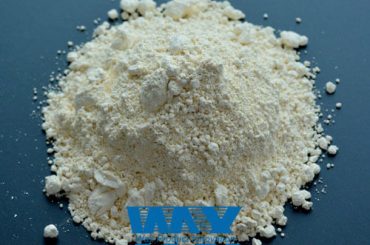
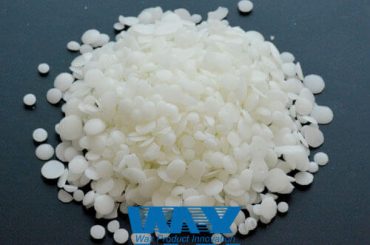
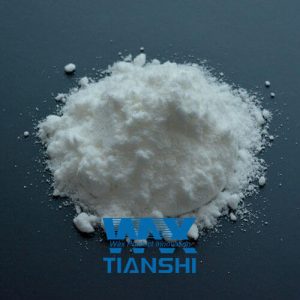
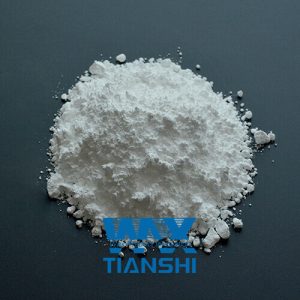
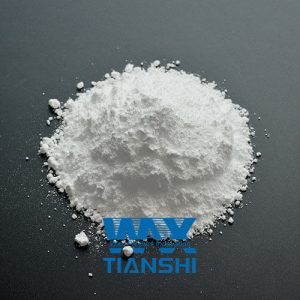
Wax additives — especially polyethylene (PE) wax, Fischer–Tropsch wax, and oxidized wax — play an essential role in solving these problems.

During the melting and extrusion process of thermoplastic road marking materials, wax acts as a lubricant and flow modifier. By reducing melt viscosity, it allows for smoother extrusion and even pigment dispersion, ensuring that the final line marking appears sharp and uniform. This improvement in flow also prevents clogging and irregular film thickness during application.
In addition to processing advantages, wax provides outstanding anti-abrasion performance. The hard, crystalline structure of PE wax forms a dense protective layer on the coating surface, effectively improving wear resistance against vehicle tires. This protection is especially critical for high-traffic intersections, highways, and airport runways where surface erosion is severe.
Color retention is another benefit. High-quality wax additives minimize pigment migration and oxidation under UV and thermal exposure. As a result, the markings stay brighter for longer periods, reducing the frequency of repainting and overall maintenance costs.
Oxidized polyethylene wax also helps improve adhesion between the thermoplastic resin and the substrate (asphalt or concrete). The polar functional groups promote better wetting and bonding, reducing the risk of film peeling or edge cracking over time.
By balancing flow, durability, gloss, and stability, wax additives are indispensable for achieving consistent, high-quality road markings that last longer and perform better in demanding environments.
Looking for professional wax additives for thermoplastic road marking applications?
Contact us today to find the most suitable PE wax, oxidized wax, or Fischer–Tropsch wax for your formulation and performance requirements.
 Leave a message

We’ll get back to you soon