

2025-10-24 Pageview:390
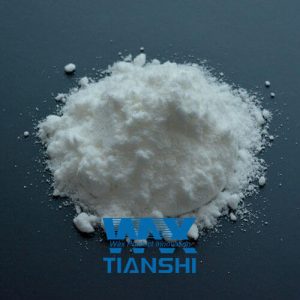
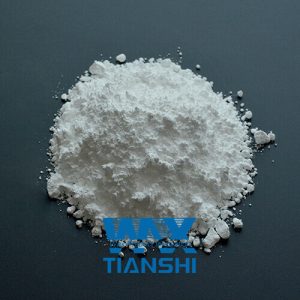
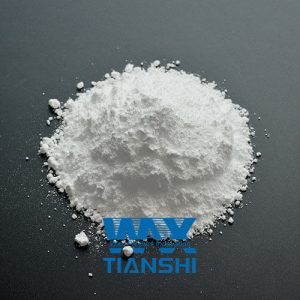
In rubber manufacturing, efficiency and surface finish depend heavily on how smoothly the material flows and releases from the mold. Poor lubrication often results in sticking, tearing, and inconsistent textures. That’s where polyethylene wax (PE wax) comes in—a multifunctional additive that transforms the molding and extrusion of rubber products.
PE wax acts primarily as a processing lubricant and mold release agent. When blended into rubber compounds, it migrates to the surface during heating, forming a thin, uniform film that minimizes adhesion between rubber and metal molds. This layer not only prevents sticking but also makes demolding faster and cleaner. As a result, manufacturers experience fewer defects, lower scrap rates, and shorter cycle times.
Compared to traditional fatty acid or metal soap lubricants, PE wax exhibits higher thermal stability and maintains performance at elevated temperatures typical of rubber vulcanization. It resists decomposition, ensuring consistent release even after multiple cycles. Its low volatility also minimizes smoke and odor, contributing to a cleaner production environment.
Another key benefit of PE wax is its impact on flow and dispersion. It reduces internal friction during mixing and extrusion, allowing fillers such as carbon black, silica, or clay to distribute more evenly within the rubber matrix. This uniformity enhances mechanical strength and wear resistance while maintaining flexibility.
In products like tires, seals, gaskets, and hoses, PE wax contributes to both manufacturing efficiency and product performance. It improves surface gloss, prevents mold fouling, and enables longer production runs before cleaning is required. For silicone, EPDM, and natural rubber systems alike, PE wax can be customized by molecular weight and melting point to match specific process requirements.
In today’s competitive market, where cost control and consistency matter, PE wax has become a quiet enabler behind smooth operations and reliable product quality. It’s not just a lubricant—it’s a small additive that solves big challenges in modern rubber processing.
 Leave a message

We’ll get back to you soon