

2025-10-24 Pageview:105
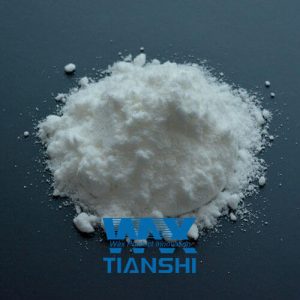
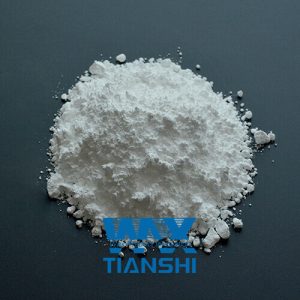
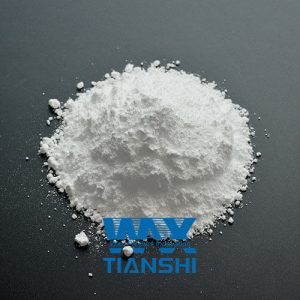
In the competitive world of hot melt adhesives, consistency is everything. Whether for packaging, woodworking, or nonwoven applications, manufacturers demand formulations that spread evenly, bond strongly, and resist heat and pressure. One of the most reliable additives to achieve these properties is polyethylene wax (PE wax).
PE wax functions as a rheology and surface modifier, improving both processing and end-use characteristics. Its controlled molecular structure allows formulators to fine-tune the viscosity of hot melt adhesives, preventing issues like stringing or uneven coating. By lowering melt viscosity at processing temperatures, PE wax ensures uniform flow, smooth application, and clean cutting on high-speed lines.
Equally important, PE wax enhances thermal and mechanical stability. It reduces tackiness during cooling, preventing blocking or agglomeration in packaged adhesives. In EVA-based or polyolefin-based systems, PE wax improves open time control—allowing better substrate wetting while maintaining quick setting and bonding strength.
In pressure-sensitive and reactive adhesives, it acts as an anti-blocking and slip agent, helping maintain smooth surfaces and reducing friction during storage or application. It also contributes to improved heat resistance, making adhesive bonds more durable under thermal stress.
For industries transitioning toward eco-friendly, solvent-free formulations, PE wax offers a balance between sustainability and performance. It is non-toxic, chemically inert, and compatible with bio-based adhesive systems, enabling greener production without sacrificing efficiency.
Trusted by leading adhesive manufacturers worldwide, PE wax has become an essential component for maintaining stability and productivity. Its role goes beyond modification—it ensures every adhesive drop delivers precision, cleanliness, and performance.
 Leave a message

We’ll get back to you soon