

2025-11-18 Pageview:162
In gravure printing, achieving smooth ink transfer, consistent gloss, and sharp image definition depends heavily on the balance of friction, viscosity, and surface behavior within the ink system. Polyethylene wax (PE wax) has become an essential additive for gravure ink formulators because of its ability to improve slip, enhance abrasion resistance, and stabilize print quality across high-speed printing lines. As packaging continues to require higher visual precision and more durable surfaces, PE wax provides performance advantages that align with modern printing demands.
Gravure inks experience high mechanical stress during the printing process. Metal cylinders pick up ink from the fountain, transfer it to the substrate, and repeat the cycle thousands of times. Without proper lubrication and surface reinforcement, inks can scratch easily, lose gloss, or show uneven transfer. PE wax helps prevent these issues by forming a micro-layer that reduces surface friction between the printed substrate and external contact points. This results in smoother machine operation, less drag, and fewer print defects caused by abrasion.

One of the biggest challenges in gravure printing is maintaining consistent slip without negatively affecting adhesion or ink clarity. PE wax provides an ideal balance due to its controlled particle size and stable melting behavior. It reduces the coefficient of friction, making the printed surface smoother while preserving color strength and image sharpness. This is especially important for food packaging films, decorative laminates, gift wraps, and flexible packaging materials where both aesthetic and functional quality must be maintained.
PE wax also contributes to anti-blocking performance. Printed films are often rewound, stacked, or laminated shortly after printing. If ink surfaces stick together, blocking occurs, leading to production losses and quality complaints. PE wax reduces blocking tendency, ensuring that rolls unwind smoothly and printed surfaces maintain their integrity. In solvent-based gravure inks, PE wax remains one of the most effective ways to achieve clean, stable post-print handling.
Another critical benefit is rub resistance. Gravure prints, especially for high-traffic packaging, are frequently touched, wiped, or exposed to friction during transportation. Without adequate protection, prints can fade or smudge. PE wax strengthens the surface, making it more resistant to rubbing and ensuring that colors remain intact from production to final use.
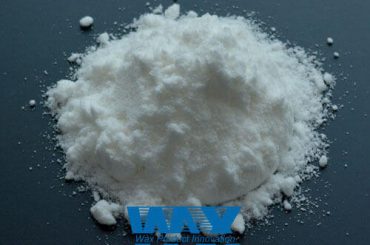
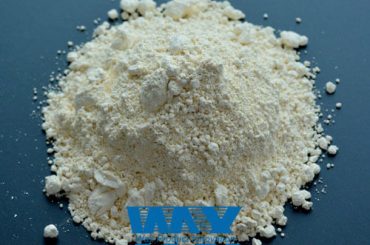
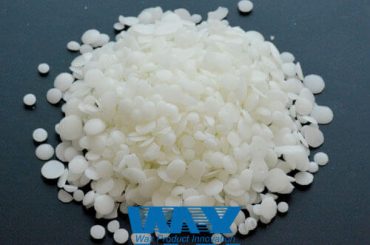
Depending on formulation needs, gravure ink manufacturers use different PE wax types. Micronized PE wax ensures fine dispersion without affecting ink transparency. Oxidized PE wax improves compatibility with water-based gravure inks, offering better suspension stability and reduced aggregation. High-density PE wax enhances rub and scratch resistance for demanding applications such as outdoor banners or industrial packaging films. The ability to choose between different grades allows formulators to optimize slip, abrasion resistance, and gloss according to specific printing goals.
PE wax also helps improve process stability on high-speed gravure lines. By lowering friction at the ink-film interface, it supports smoother transfer from the cell to the substrate, reducing print defects such as streaking or drag lines. This results in more predictable performance and less downtime caused by cylinder buildup or surface irregularities.
As the gravure printing industry shifts toward sustainable and lower-VOC ink systems, PE wax continues to provide essential performance benefits without compromising environmental compliance. Its compatibility with both solvent-based and water-based gravure inks makes it versatile across various packaging requirements and printing technologies.
If you are improving gravure ink slip, rub resistance, or overall print consistency, TIANSWAX offers PE wax solutions that can help you achieve cleaner transfer and more durable printed surfaces. Contact us for technical recommendations, formulation guidance, and product selection tailored to your gravure ink applications.
 Leave a message

We’ll get back to you soon