

2026-01-16 Pageview:637
Surface scratching is one of the most common quality issues in plastic products. From injection-molded parts and extruded profiles to films, sheets, and consumer goods, scratches not only affect appearance but also reduce perceived quality and product value. Understanding why plastic surfaces scratch easily is the first step toward implementing an effective solution.
Scratches occur when the surface of a material is unable to withstand mechanical contact. This may be due to insufficient surface hardness, high friction, or inadequate resistance to abrasion. In many plastics, especially those designed for flexibility or impact resistance, the surface remains relatively soft. While this softness benefits processing and mechanical performance, it also makes the surface more vulnerable to damage during handling, assembly, transportation, and everyday use.
Processing conditions also play a significant role. In extrusion, calendering, or injection molding, contact with metal surfaces, conveyors, and tooling can introduce micro-scratches. Inadequate mold release or high friction during demolding increases the risk of surface damage before the product even reaches the end user. In films and sheets, blocking, stacking, and rewinding can further exacerbate abrasion.
Another common cause is insufficient formulation design. Fillers, pigments, and reinforcements may improve strength or appearance but can also increase surface roughness or internal stress if not properly dispersed. Poor dispersion creates localized weak points where scratches are more likely to form.
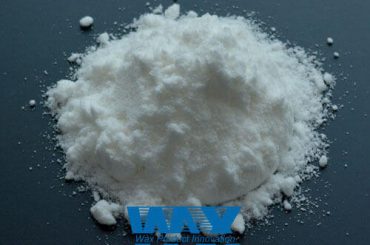
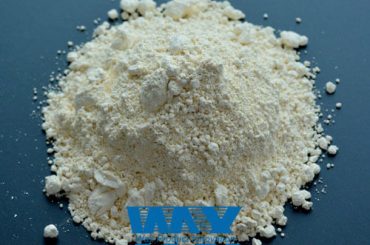
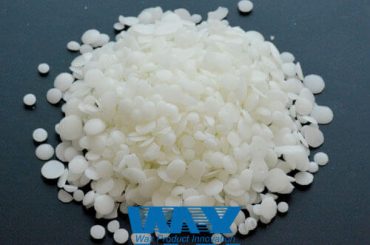
Wax additives address these challenges by modifying surface behavior without fundamentally altering the bulk properties of the plastic. During processing, waxes migrate toward the surface and form a microscopic lubricating layer. This layer reduces the coefficient of friction, allowing surfaces to slide against each other rather than grind or abrade. As a result, the likelihood of scratch formation is significantly reduced.
Different wax types provide different levels of protection. Polyethylene wax offers balanced lubrication and moderate scratch resistance, making it suitable for a wide range of applications. Polypropylene wax, with higher hardness, enhances surface durability and is ideal for parts exposed to frequent contact. PTFE wax provides the lowest friction and highest wear resistance, often selected for demanding environments where maximum surface protection is required.
In addition to improving scratch resistance, wax additives enhance processing efficiency. Better mold release, reduced sticking to metal surfaces, and smoother material flow lower the risk of surface defects during production. This not only improves product quality but also reduces waste and downtime.
Importantly, wax additives achieve these benefits without significantly affecting transparency, color, or mechanical strength when properly selected and dosed. In transparent plastics, fine-particle waxes maintain low haze and high gloss. In engineering plastics, optimized formulations ensure that surface protection does not compromise impact resistance or tensile strength.
Surface durability is increasingly important as plastic products are expected to combine aesthetics with long-term performance. From consumer electronics housings to packaging and automotive components, scratch resistance is a key differentiator. Wax additives provide a cost-effective and versatile solution that can be tailored to specific materials and applications.
If your plastic products are prone to scratching during processing or use, our wax additives can help improve surface protection and durability. Contact us with your material type and application details to receive a technical recommendation for reducing scratches and enhancing product quality.
 Leave a message

We’ll get back to you soon