

2026-01-16 Pageview:316
Injection molding is one of the most widely used processes in plastics manufacturing, producing parts with complex geometries, tight tolerances, and high surface quality. However, issues such as poor flow, incomplete filling, sticking in the mold, and difficult demolding remain common challenges. These problems not only affect part quality but also reduce productivity and increase cycle time.
Flow behavior is a critical factor in injection molding. When the molten polymer does not flow smoothly into the mold cavity, defects such as short shots, weld lines, and surface irregularities can occur. High viscosity, insufficient lubrication, and excessive internal friction within the melt are typical causes. Increasing temperature or injection pressure may improve flow, but often at the expense of energy efficiency or material stability.

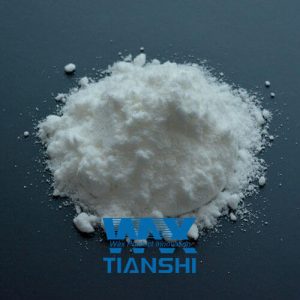
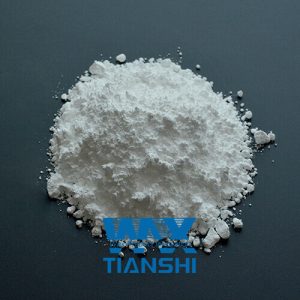
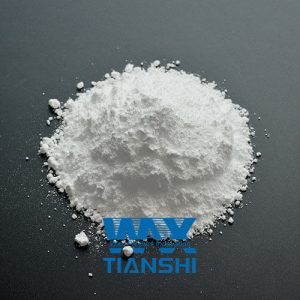
wax additive
Mold release is equally important. Parts that adhere to the mold surface require higher ejection force, increasing the risk of deformation, surface marks, or part damage. Sticking also prolongs cycle time and accelerates tool wear, directly impacting production efficiency.
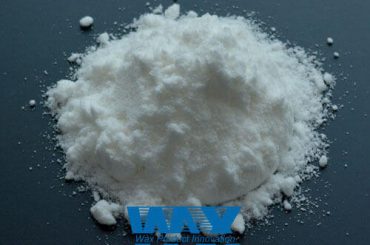
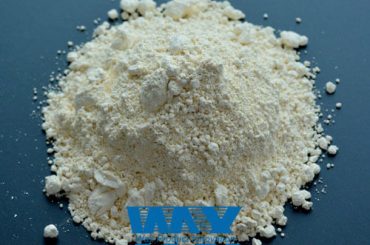
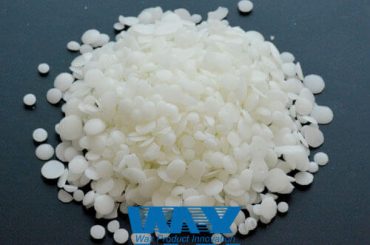
Wax additives provide an effective solution to both flow and mold release challenges. During processing, waxes act as internal and external lubricants. Internally, they reduce friction between polymer chains, lowering melt viscosity and improving flow into complex or thin-walled mold sections. Externally, they form a lubricating layer at the interface between the molten polymer and the mold surface, facilitating clean and easy demolding.
Polyethylene wax is commonly used in injection molding formulations due to its balanced properties and broad compatibility with thermoplastics. It improves flow behavior, enhances dispersion of fillers and pigments, and provides consistent mold release without significantly affecting mechanical properties. For applications requiring higher surface hardness and scratch resistance, polypropylene wax offers additional surface protection. In specialized cases, PTFE wax delivers superior anti-stick performance and ultra-low friction.
Beyond improved part quality, wax additives contribute to operational efficiency. Reduced injection pressure, smoother cavity filling, and easier ejection lower energy consumption and cycle times. This allows higher throughput and more stable production, particularly in high-volume manufacturing environments.
Surface appearance also benefits. Parts molded with optimized wax additives exhibit fewer surface defects, reduced sticking marks, and more uniform textures. In applications such as housings, packaging, and automotive components, this translates directly into higher perceived quality and reduced post-processing.
Formulation optimization is essential. Excessive wax levels may affect weld line strength or bonding in multi-material assemblies, while insufficient levels may fail to deliver the desired processing benefits. Proper selection of wax type, molecular weight, and dosage ensures an optimal balance between flow improvement, mold release, and mechanical performance.
As injection molding continues to evolve toward higher productivity and more complex designs, functional additives that enhance both processing and part performance are becoming increasingly important. Wax additives offer a flexible, cost-effective tool for meeting these demands.
If you are facing flow limitations, sticking, or difficult demolding in injection molding, our wax additives can help improve processing efficiency and part quality. Contact us with your polymer type, mold design, and performance requirements to receive a customized solution.
 Leave a message

We’ll get back to you soon