

2026-03-05 Pageview:158
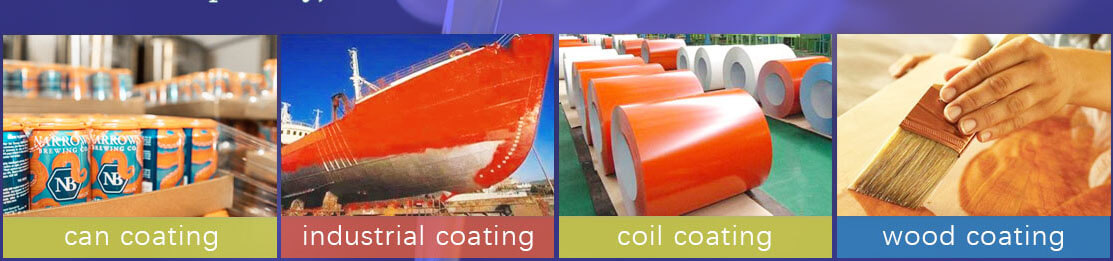
Coil coating is one of the most efficient and technically demanding coating processes in the metal finishing industry. Steel or aluminum coils are continuously cleaned, pretreated, coated and cured at high line speeds before being rewound and shipped for fabrication. The coated surface must survive transport, stamping, bending and installation without visible damage. In this highly mechanical environment, surface durability is not optional—it is essential.
One of the most frequent issues in pre-painted steel production is surface marring during rewinding and handling. As freshly cured metal sheets are recoiled, significant pressure develops between layers. If the coating surface exhibits excessive friction, abrasion marks or gloss variation can occur. Even minor surface defects may lead to rejection in architectural or appliance applications.
Advanced wax technology offers a practical method to enhance slip and reduce friction at the coating surface. During curing, micronized wax particles migrate toward the film-air interface and form a controlled micro-layer. This layer lowers surface drag and allows adjacent metal sheets to slide rather than scratch each other under pressure.
In coil coatings used for construction panels or home appliances, aesthetic consistency is critical. Therefore, particle size control becomes a key factor. Oversized particles may reduce gloss or create surface haze. Fine, well-dispersed wax additives ensure minimal visual impact while delivering measurable improvements in abrasion resistance.
Beyond rewinding protection, wax-modified surfaces also perform better during downstream forming. In roll forming or stamping operations, coated steel experiences mechanical contact with tooling surfaces. Reduced friction decreases the likelihood of micro-scratches and improves processing stability, especially in high-speed production lines.
Compatibility with polyester, polyurethane and silicon-modified polyester (SMP) systems must be evaluated carefully. Poor integration can lead to intercoat adhesion concerns or uneven surface texture. High-quality wax grades engineered for coil coating systems provide stable dispersion and predictable migration behavior.
Durability testing such as abrasion cycles and friction coefficient measurements often demonstrate that optimized wax incorporation significantly extends surface life without altering core resin chemistry. This makes wax modification an efficient upgrade path compared to complete resin reformulation.
As architectural markets demand longer warranties and improved weather resistance, surface integrity during handling becomes even more important. A properly engineered wax solution enhances scratch resistance, reduces blocking risk and supports consistent manufacturing quality.
If you are producing coil coatings and facing surface marring, handling damage or slip control challenges, we can recommend advanced wax technologies tailored to your resin system and processing conditions. Share your line speed, curing temperature and performance targets with us. Contact us today to discuss customized solutions for your coil coating applications.
 Leave a message

We’ll get back to you soon