

2026-03-13 Pageview:242
PVC cable compounds are widely used in the electrical and communication industries for cable insulation and sheathing. These materials must provide excellent mechanical performance, electrical insulation, and processing stability during manufacturing.
Cable production typically involves high-speed extrusion processes where molten PVC compounds are forced through dies to form cable coatings. During this process, maintaining stable melt flow and preventing excessive friction inside the extrusion equipment are essential for achieving uniform insulation layers and consistent product quality.
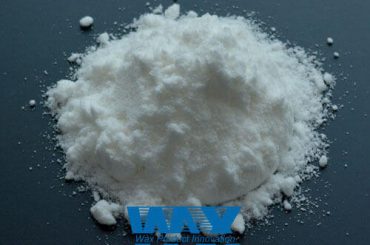
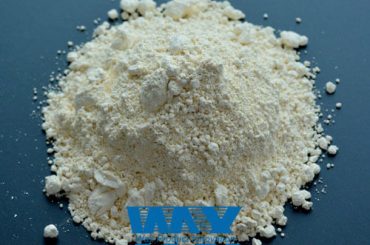
Micronized wax additives are frequently used in PVC cable compounds to improve lubrication and processing behavior. These additives consist of finely ground wax particles that disperse evenly within the PVC formulation and provide effective lubrication during processing.

One of the primary functions of micronized wax in PVC cable compounds is reducing friction between the PVC melt and the metal surfaces of the extrusion equipment. During high-speed extrusion, strong shear forces are generated inside the screw and barrel. Without proper lubrication, these forces can increase torque, cause overheating, and potentially degrade the PVC resin.
When micronized wax is incorporated into the formulation, it migrates toward the interface between the PVC melt and metal surfaces. This migration forms a lubricating film that reduces friction and allows the material to move more smoothly through the extrusion system.
Improved lubrication helps stabilize processing conditions. Lower torque and reduced friction contribute to more consistent melt flow, which is essential for producing uniform cable insulation thickness. Stable processing also reduces the risk of defects such as surface roughness or irregular extrusion patterns.
Another important advantage of micronized wax in cable compounds is its influence on dispersion. Because micronized wax particles are very fine, they distribute uniformly within the PVC matrix. This uniform distribution ensures consistent lubrication throughout the material during processing.
Micronized wax can also help prevent material buildup on extrusion equipment. In the absence of sufficient lubrication, PVC compounds may adhere to screws or dies, which can disrupt production and require cleaning or maintenance. Wax additives help reduce this adhesion and improve production efficiency.
In addition to processing benefits, micronized wax may contribute to improved surface appearance of the finished cable sheath. By reducing friction during extrusion, the material flows more smoothly through the die, producing a more uniform and visually appealing surface.
When selecting wax additives for PVC cable compounds, formulators typically consider factors such as particle size, melting point, and compatibility with other additives. These factors influence the lubrication performance and processing stability of the compound.
Proper dosage optimization is also important. Excessive wax loading may affect mechanical properties or interfere with PVC fusion behavior, while insufficient wax may not provide adequate lubrication.
As cable manufacturing continues to demand higher production speeds and consistent quality, micronized wax additives remain an essential component in PVC cable compound formulations.
If you are developing PVC cable compounds and need reliable lubrication additives to improve extrusion stability, our micronized wax products are designed to support efficient cable production. Contact us for product recommendations and technical assistance.
 Leave a message

We’ll get back to you soon