

2026-03-13 Pageview:142
Polyvinyl chloride (PVC) is one of the most widely used thermoplastics in the world, with applications ranging from pipes and window profiles to cables, films, and packaging materials. During PVC processing, maintaining stable melt flow and preventing excessive friction inside the processing equipment are critical for achieving consistent product quality.
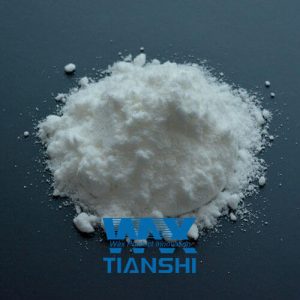
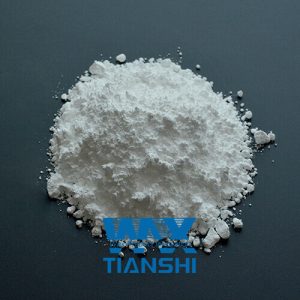
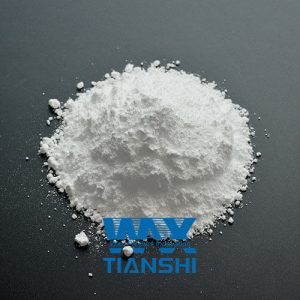
Because PVC is a relatively rigid polymer with high melt viscosity, it requires the use of processing aids and lubricants to ensure smooth processing. Among the various additives used in PVC formulations, polyethylene (PE) wax is one of the most commonly used processing aids due to its effective lubrication properties and excellent compatibility with PVC processing systems.
PE wax functions primarily as an external lubricant in PVC compounds. During processing processes such as extrusion or injection molding, friction occurs between the molten PVC material and the metal surfaces of the processing equipment. This friction can lead to high torque, unstable processing conditions, and potential degradation of the PVC resin.
When PE wax is added to the PVC formulation, it migrates to the interface between the PVC melt and the metal surfaces of the processing equipment. This migration forms a lubricating layer that reduces friction between the material and the processing machinery. As a result, processing becomes smoother and more stable.
Another important benefit of PE wax is its ability to improve melt flow behavior. By reducing internal friction during processing, PE wax helps the PVC compound move more easily through the extruder or molding equipment. This improved flow contributes to better processing efficiency and more uniform product formation.
PE wax also plays an important role in preventing material sticking to metal surfaces. Without adequate lubrication, molten PVC can adhere to screws, barrels, and molds, which may lead to processing defects or difficulties during production. The lubricating effect of PE wax helps minimize these issues and ensures continuous production.
In addition to improving processing stability, PE wax can also contribute to improved surface quality in finished PVC products. During extrusion or molding, excessive friction may cause surface defects such as roughness or streaking. By reducing friction at the processing interface, PE wax helps produce smoother and more consistent surfaces.
PE wax is widely used in various PVC applications including rigid PVC pipes, window profiles, PVC sheets, and cable compounds. Its effectiveness depends on factors such as molecular weight, melting point, and compatibility with other additives used in the formulation.
Selecting the appropriate grade of PE wax is essential for achieving optimal performance. Low molecular weight waxes generally provide better lubrication, while higher melting point waxes offer improved thermal stability during processing.
The dosage level of PE wax must also be carefully controlled. Insufficient wax may not provide adequate lubrication, while excessive wax can negatively affect fusion behavior or mechanical properties of the PVC compound.
As PVC processing technologies continue to evolve, the use of effective lubricants remains essential for maintaining production efficiency and product quality. PE wax has proven to be a reliable processing aid that improves lubrication, enhances processing stability, and supports high-quality PVC product manufacturing.
If you are developing PVC compounds and looking for reliable lubrication additives, our polyethylene wax products are designed to provide excellent processing performance in PVC extrusion and molding applications. Feel free to contact us for technical information or product recommendations.
 Leave a message

We’ll get back to you soon