

2026-03-18 Pageview:120
Aluminum die casting is widely used in automotive, electronics, and industrial applications due to its ability to produce complex parts with high precision. However, the success of this process depends heavily on the performance of mold release agents.
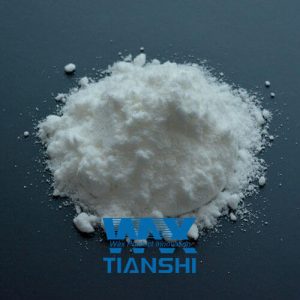
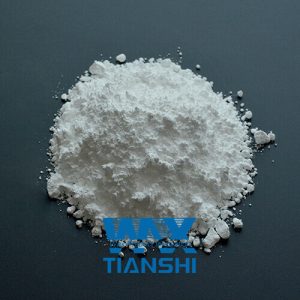
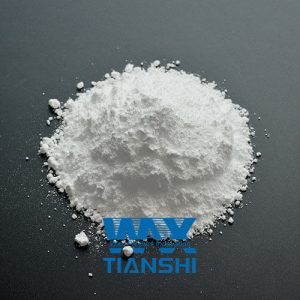
Wax additives are essential components in many aluminum die casting release formulations. They contribute to lubrication, improve release efficiency, and help maintain consistent product quality.
During the casting process, molten aluminum comes into direct contact with the mold surface at high temperatures. Without proper lubrication, this can lead to sticking, surface defects, and increased wear on the mold.
Wax additives function by forming a thin lubricating film on the mold surface. This film reduces adhesion between the molten metal and the mold, allowing the cast part to be released smoothly.
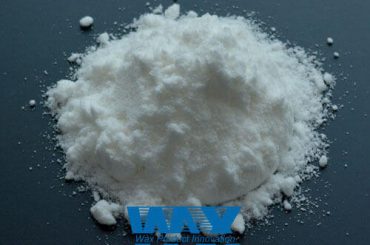
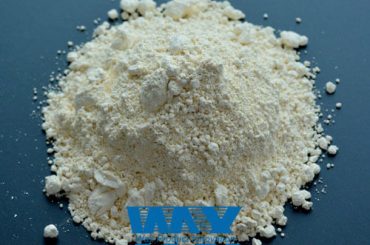
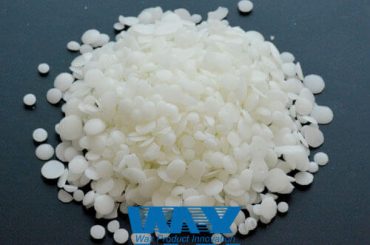
Polyethylene wax is one of the most commonly used waxes in aluminum die casting release agents. It provides a good balance between lubricity, film strength, and cost-effectiveness.
In addition to improving release, wax additives also enhance the surface finish of cast parts. A uniform wax film helps reduce surface defects such as scratches, drag marks, and roughness.
Wax additives also play a role in thermal management. They help regulate heat transfer between the mold and molten metal, contributing to more stable casting conditions.
Another important benefit is mold protection. Wax films act as a barrier that reduces direct contact between the mold and molten aluminum, minimizing wear and extending tool life.
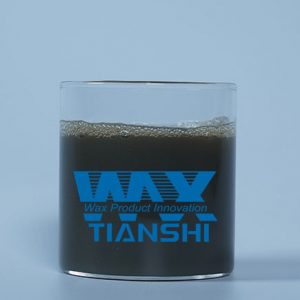
Water-based release agents often rely on wax emulsions or dispersions to deliver these benefits. Proper formulation ensures that wax particles are evenly distributed and can form consistent films during application.
The selection of wax type depends on specific application requirements. Harder waxes may provide better durability, while softer waxes can improve film flexibility.
In some cases, blends of different waxes are used to achieve optimal performance. For example, combining polyethylene wax with small amounts of PTFE wax can enhance both lubricity and temperature resistance.
Formulators must also consider factors such as concentration, application method, and compatibility with other additives. Proper optimization ensures that the release agent performs consistently under production conditions.
As aluminum die casting continues to evolve, wax additives remain a key component in achieving efficient, high-quality production.
If you are looking to improve mold release performance in aluminum die casting, our range of wax additives can help optimize lubrication, enhance surface quality, and extend mold life. Contact us for tailored solutions.
 Leave a message

We’ll get back to you soon