

2026-03-31 Pageview:135
PVC pipe and profile extrusion is one of the most important applications in the plastics industry, widely used in construction, water systems, window frames, and industrial components. The performance of PVC compounds during extrusion directly affects product quality, production efficiency, and equipment lifespan.
One of the key challenges in PVC extrusion is controlling lubrication. Insufficient lubrication can lead to high torque, poor melt flow, surface defects, and increased wear on screws and dies. On the other hand, excessive lubrication may result in poor fusion and reduced mechanical properties.
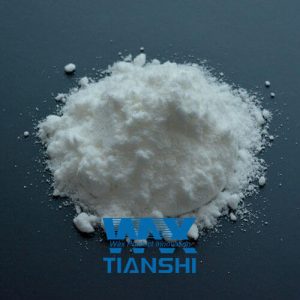
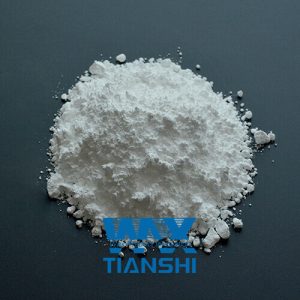
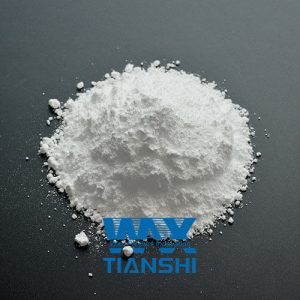
Polyethylene (PE) wax is one of the most commonly used external lubricants in PVC pipe and profile extrusion. Its primary function is to reduce friction between the PVC melt and metal surfaces during processing.
When properly selected, PE wax forms a thin lubricating layer at the interface between the PVC compound and the processing equipment. This reduces adhesion and allows the material to flow more smoothly through the extruder and die.
One of the main benefits of using PE wax is improved processing stability. By reducing friction, it helps maintain consistent melt flow and prevents fluctuations in pressure and temperature.
Surface quality is another important aspect. PE wax helps produce smoother surfaces with fewer defects such as die lines, roughness, or burn marks. This is particularly important for visible profiles such as window frames and decorative panels.
Selecting the best PE wax for PVC extrusion depends on several factors. Molecular weight plays a key role in determining lubrication performance. Lower molecular weight waxes generally provide better external lubrication.
Melting point is also critical. A suitable melting point ensures that the wax remains effective under processing temperatures without premature melting or degradation.
Compatibility with PVC formulations is essential. Poor compatibility can lead to issues such as plate-out or uneven distribution, affecting both processing and product quality.
Dosage optimization is necessary to achieve the right balance between lubrication and fusion. Excessive wax may interfere with PVC fusion, while insufficient wax may not provide adequate lubrication.
In many cases, PE wax is used in combination with internal lubricants to achieve optimal performance. This combination ensures both smooth processing and strong material properties.
As demand for high-quality PVC pipes and profiles continues to grow, selecting the right PE wax becomes increasingly important for manufacturers.
If you are looking for the best PE wax for PVC pipe and profile extrusion, our products are designed to deliver consistent lubrication, improved surface quality, and stable processing performance. Contact us for tailored recommendations.
 Leave a message

We’ll get back to you soon