

2026-08-17 Pageview:4
Polyurethane (PU) foam is widely used in furniture, mattresses, automotive interiors, insulation materials, packaging, and industrial applications. During the manufacturing process, efficient demolding is critical for maintaining product quality, protecting molds, and ensuring high production efficiency. Wax emulsions play an important role in PU foam release systems by providing excellent release performance and reducing adhesion between the foam and mold surfaces.
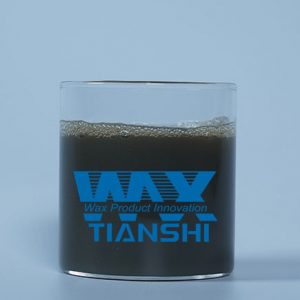
A wax emulsion is a stable dispersion of fine wax particles in water. When used in PU foam production, it forms a thin release layer on the mold surface, helping separate the cured foam from the mold quickly and cleanly.
One of the primary benefits of wax emulsions is improved demolding performance. Polyurethane foam can sometimes adhere to mold surfaces, especially in complex mold geometries. A wax emulsion helps minimize adhesion and allows molded parts to be removed more easily.
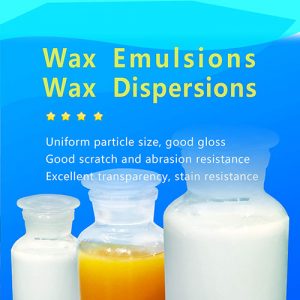
wax dispertions
Easy demolding contributes directly to higher production efficiency. Faster release of finished foam parts reduces cycle times and supports continuous manufacturing operations.
Another important advantage is the reduction of foam surface defects. Poor release performance can cause tearing, sticking, or surface damage during mold opening. Wax emulsions help maintain the integrity of the foam surface and improve product appearance.
Wax emulsions also help protect molds. By reducing direct contact between the foam and mold surface, they minimize residue buildup and decrease mold contamination. This can reduce cleaning frequency and extend mold service life.
In flexible PU foam production, wax emulsions are often used to ensure smooth mold release while maintaining foam quality and dimensional consistency. Similar benefits are achieved in rigid polyurethane foam manufacturing.
Water-based wax emulsions are particularly attractive because they offer easier handling and lower VOC emissions compared with some traditional solvent-based release systems. This supports environmentally responsible manufacturing practices.
In automotive seating, furniture cushions, insulation panels, and molded polyurethane products, consistent release performance is essential for maintaining production stability and reducing scrap rates.
Certain wax emulsions can also provide lubrication effects that improve mold operation and contribute to more uniform release across the entire mold surface.
Compared with relying solely on silicone-based release agents, wax emulsion formulations can offer a balanced combination of release performance, mold cleanliness, and processing efficiency in many PU foam applications.
The optimal wax emulsion selection depends on foam density, mold design, production conditions, and release requirements. Manufacturers typically conduct plant trials to identify the most effective solution for their specific process.
As polyurethane foam production continues to demand higher productivity and quality standards, wax emulsions remain an effective tool for improving demolding performance, reducing sticking, and enhancing manufacturing efficiency.
At Tianshi Wax, we supply high-performance wax emulsions for PU foam release agents, mold release formulations, and industrial processing applications. Contact our technical team today to learn more about our wax emulsion solutions for polyurethane foam manufacturing.
 Leave a message

We’ll get back to you soon