

2026-08-17 Pageview:6
Metal die casting is one of the most widely used manufacturing processes for producing aluminum, zinc, magnesium, and other alloy components. Industries such as automotive, electronics, machinery, telecommunications, and consumer products rely heavily on die casting technology because it offers high productivity, excellent dimensional accuracy, and good surface finish. However, efficient mold release remains one of the most important factors affecting production efficiency and casting quality. Wax emulsion-based release agents have become a popular solution due to their excellent release performance and environmental advantages.
A wax emulsion release agent works by forming a thin protective film on the mold surface. This film creates a barrier between the molten metal and the mold cavity, reducing adhesion during the casting process. As a result, cast parts can be removed more easily after solidification, helping manufacturers reduce production interruptions and improve operational efficiency.

One of the major benefits of wax emulsion release agents is improved demolding performance. In high-pressure die casting operations, molten metal is injected into the mold at high speed and temperature. Without an effective release agent, metal components may stick to the mold surface, resulting in difficult ejection, surface defects, or even mold damage. Wax emulsions help prevent these problems by providing consistent lubrication and release properties.
Wax emulsions also contribute to better casting surface quality. When the release film is evenly distributed, it can reduce surface defects caused by sticking or uneven metal flow. This helps manufacturers achieve cleaner castings and reduce the need for secondary finishing operations.
Another important advantage is mold protection. Die casting molds are expensive tools that operate under severe thermal and mechanical conditions. Continuous exposure to high temperatures and molten metal can accelerate mold wear. The lubricating effect of wax emulsions helps reduce friction between the mold and casting, extending mold life and lowering maintenance costs.
Water-based wax emulsions are increasingly preferred over traditional solvent-based release systems because they offer lower VOC emissions and improved workplace safety. They can be easily diluted and applied using conventional spray equipment, making them suitable for modern environmentally responsible manufacturing processes.
Aluminum die casting is one of the most common applications for wax emulsion release agents. Manufacturers of automotive components, motor housings, structural parts, and electronic enclosures frequently use wax emulsions to improve production stability and casting quality. Similar benefits can also be achieved in zinc and magnesium die casting operations.
The performance of a release agent depends not only on product selection but also on proper application. The wax emulsion should be diluted according to production requirements and sprayed uniformly onto the mold surface. A thin and consistent release film generally provides the best balance between release efficiency and mold cleanliness. Excessive application may increase residue buildup, while insufficient application may reduce release performance.
As die casting manufacturers continue to pursue higher productivity, better product quality, and lower operating costs, wax emulsion release agents remain an effective and reliable solution. Their ability to improve mold release, protect molds, enhance casting appearance, and support environmentally friendly production makes them an important part of modern die casting operations.
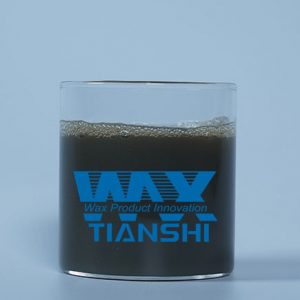
At Tianshi Wax, we provide high-performance wax emulsions for aluminum die casting, zinc die casting, mold release agents, and industrial processing applications. Contact our technical team today to learn how our wax emulsion solutions can improve your die casting efficiency and product quality.
 Leave a message

We’ll get back to you soon