Waxes play an essential role in a wide range of industrial applications, from coatings and inks to plastics, rubber, and paper processing. Among the most commonly used waxes are polyethylene (PE) wax and paraffin wax. While both are hydrocarbon-based materials, their properties and performance differ significantly, making each suitable for specific applications.
Understanding the differences between PE wax and paraffin wax is critical for selecting the right material and achieving optimal formulation performance.
Paraffin wax is a petroleum-derived wax composed mainly of straight-chain alkanes. It is typically characterized by a relatively low melting point, good water repellency, and ease of processing. Due to its low cost and availability, paraffin wax is widely used in applications such as candles, packaging, board sizing, and basic moisture barrier coatings.

wax additive
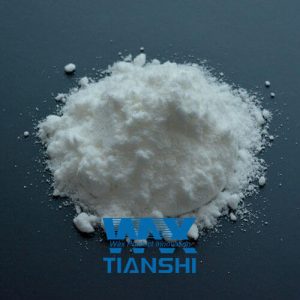
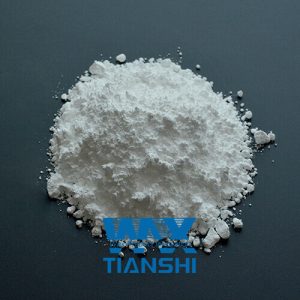
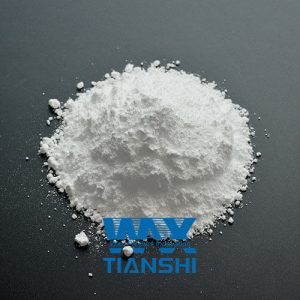
PE wax, on the other hand, is a synthetic wax produced through polymerization or degradation of polyethylene. It has a more controlled molecular structure, higher hardness, and better thermal stability compared to paraffin wax. These properties make it more suitable for performance-driven industrial applications.
One of the key differences between PE wax and paraffin wax lies in hardness. PE wax is significantly harder than paraffin wax, which allows it to provide better scratch resistance and abrasion resistance. This makes PE wax particularly valuable in coatings and printing inks where surface durability is critical.
In contrast, paraffin wax is softer and more flexible. While this can be beneficial in certain applications requiring pliability, it limits its effectiveness in high-performance coatings or inks.
Melting point is another important factor. PE wax generally has a higher melting point than paraffin wax, which allows it to maintain its properties under more demanding processing conditions. This is especially important in applications such as plastic processing and high-temperature coatings.
Paraffin wax, with its lower melting point, is easier to melt and process but may not perform well in applications involving elevated temperatures.
Compatibility and dispersion behavior also differ between the two. PE wax is often engineered for compatibility with specific systems, allowing for more consistent dispersion and performance. Paraffin wax may have limited compatibility in certain formulations, which can affect stability and uniformity.
In coatings and inks, PE wax is commonly used to improve slip, reduce friction, and enhance scratch resistance. It forms a thin surface layer that protects the coating film and improves durability.
Paraffin wax can also provide water repellency and some degree of slip, but its performance is generally less durable and less resistant to mechanical stress.
In plastic processing, PE wax is widely used as a lubricant and processing aid, particularly in PVC applications. It improves melt flow, reduces friction, and enhances surface finish.
Paraffin wax is sometimes used in plastics, but its lower thermal stability and compatibility limit its effectiveness compared to PE wax.
In paper applications, both waxes are used for water resistance. Paraffin wax has traditionally been used for wax coatings, especially in packaging. However, PE wax is increasingly used in modern formulations due to its better performance and compatibility with water-based systems.
Cost is an important consideration. Paraffin wax is generally less expensive than PE wax, making it attractive for low-cost applications. However, the performance benefits of PE wax often justify its higher cost in industrial applications where durability and consistency are critical.
In many formulations, PE wax and paraffin wax may be used together to balance cost and performance.
Ultimately, the choice between PE wax and paraffin wax depends on the specific requirements of the application. Paraffin wax is suitable for cost-sensitive and low-performance applications, while PE wax is the preferred choice for high-performance industrial uses.
As industries continue to demand higher performance and more sustainable solutions, PE wax is increasingly replacing paraffin wax in many applications.
If you are evaluating PE wax versus paraffin wax for your industrial formulations, our technical team can help you select the most suitable solution based on your performance and cost requirements. Contact us for expert advice and product recommendations.



 Leave a message