

2026-04-15 Pageview:121
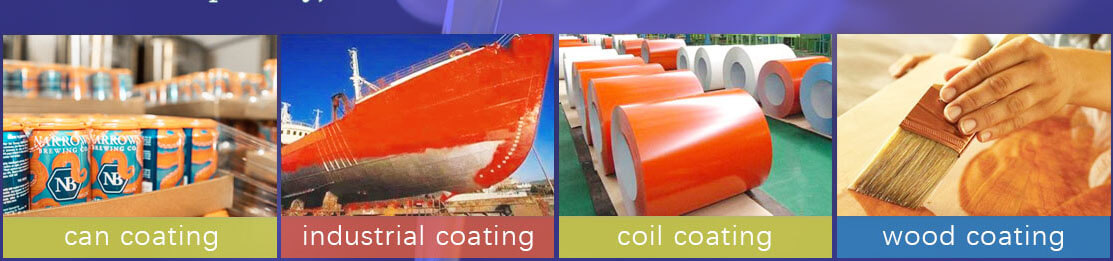
Industrial coatings are designed to provide protection, durability, and aesthetic performance across a wide range of applications, including automotive, metal, wood, and plastic substrates. Additives play a crucial role in achieving these properties, and polypropylene (PP) wax is one of the most effective options for enhancing surface performance.
However, selecting the right PP wax for industrial coatings is not always straightforward. Different formulations require different performance characteristics, and choosing the wrong wax can lead to suboptimal results.
The first step in selecting PP wax is defining the performance objective. In industrial coatings, PP wax is primarily used to improve scratch resistance, abrasion resistance, slip, and anti-blocking properties. Understanding which of these properties is most critical helps guide the selection process.
For example, coatings exposed to mechanical wear may require waxes with higher hardness to improve durability. In contrast, applications focused on handling and processing may prioritize slip performance.
Once the performance goal is defined, key technical parameters should be evaluated. Particle size is one of the most important factors. Smaller particle sizes provide better dispersion and smoother surface finishes, while larger particles may enhance certain tactile properties.
Melting point is another critical parameter. Industrial coatings often undergo curing at elevated temperatures, so the wax must maintain stability under these conditions. Higher melting point PP waxes are generally preferred for such applications.
Molecular weight influences both migration behavior and durability. Lower molecular weight waxes migrate more easily to the surface, improving slip, while higher molecular weight waxes provide longer-lasting protection.
Compatibility with the coating system is essential. The wax must disperse uniformly within the formulation and interact appropriately with the resin system to ensure stable performance.
The type of coating system also affects the choice. Solvent-based, powder, and water-based coatings each have different requirements. For example, water-based systems may require specially designed dispersions rather than standard micronized powders.
Dosage optimization is another key consideration. The amount of PP wax added must be carefully controlled to achieve the desired performance without negatively affecting properties such as gloss, transparency, or adhesion.
In many cases, formulators use a combination of waxes to achieve optimal results. Blending PP wax with other wax types can provide a balance of properties tailored to specific applications.
Testing is an essential part of the selection process. Laboratory evaluation and performance testing help ensure that the chosen wax meets all requirements.
Cost-performance balance should also be considered. While high-performance waxes may offer superior results, they must be economically viable for the intended application.
Selecting the right PP wax is a critical step in developing high-performance industrial coatings. A well-chosen wax can significantly improve durability, processability, and overall product quality.
If you need support in selecting the right PP wax for your industrial coatings, our technical team can provide tailored recommendations based on your formulation and performance targets. Contact us for expert guidance and sample testing.
 Leave a message

We’ll get back to you soon