

2026-04-15 Pageview:65
Polypropylene (PP) wax is widely used as a high-performance additive in coatings and printing inks. Compared with conventional waxes, PP wax offers higher hardness, better heat resistance, and improved durability, making it particularly suitable for demanding industrial applications.
In coatings and inks, surface performance is critical. Properties such as slip, scratch resistance, anti-blocking, and abrasion resistance directly affect product quality and usability. Selecting the right PP wax is essential to achieving these performance targets.

PP wax functions primarily as a surface modifier. When incorporated into a formulation, it disperses throughout the system and gradually migrates to the surface during drying or curing. This migration creates a thin, protective layer that reduces friction and enhances surface durability.
One of the most important benefits of PP wax is its high hardness. Compared to polyethylene wax, PP wax typically provides stronger resistance to mechanical damage. This makes it especially valuable in applications where coatings or inks are exposed to frequent handling, friction, or abrasion.
In printing inks, PP wax improves rub resistance and prevents surface damage during stacking, transportation, and processing. This is particularly important in packaging inks used on plastic films, paper, and labels.
Slip performance is another key advantage. By reducing the coefficient of friction, PP wax allows surfaces to slide more easily, minimizing scratching and blocking. This is critical for high-speed printing processes where materials are subjected to continuous contact.
Thermal stability is also a defining characteristic of PP wax. Its higher melting point allows it to maintain performance under elevated temperatures, which is beneficial in applications such as industrial coatings and UV-curable inks.
Selecting the best PP wax depends on several technical factors. Particle size plays a crucial role in dispersion and surface uniformity. Smaller particle sizes provide smoother finishes and more consistent performance.
Molecular weight influences migration behavior and durability. Lower molecular weight waxes may provide faster migration and better slip, while higher molecular weight waxes offer longer-lasting protection.
Compatibility with the formulation system is essential. The wax must disperse well and remain stable within the resin or binder system to ensure consistent performance.
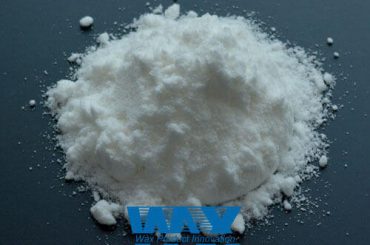
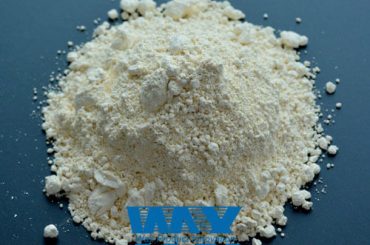
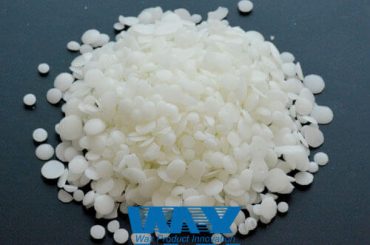
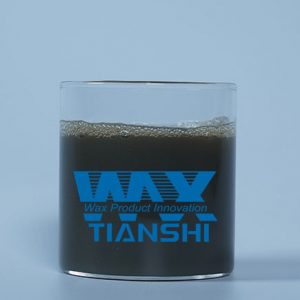
The form of PP wax should also be considered. Micronized powders are commonly used in solvent-based coatings and inks, while dispersions may be preferred for specific applications.
Dosage optimization is critical. Insufficient wax may not deliver the desired performance, while excessive wax can negatively affect gloss, transparency, or adhesion.
In high-performance systems, PP wax is often combined with other waxes such as PE wax or PTFE wax to achieve a balance between slip, scratch resistance, and cost.
As industries demand higher performance and durability, PP wax continues to play an important role in coatings and printing inks.
If you are looking for the best PP wax for your coatings or ink formulations, our products are designed to deliver excellent slip, scratch resistance, and long-term durability. Contact us to get product recommendations and sample support.
 Leave a message

We’ll get back to you soon