

2026-06-01 Pageview:36
Scratch resistance is one of the most important performance requirements for modern coatings. Whether used in industrial equipment, automotive parts, furniture, metal products, or packaging materials, coatings must withstand the mechanical abrasion during manufacturing, transportation, installation, and daily use.
To improve surface durability, many formulators add Fischer-Tropsch wax (FT wax) to coating systems.
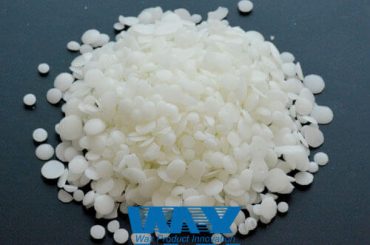
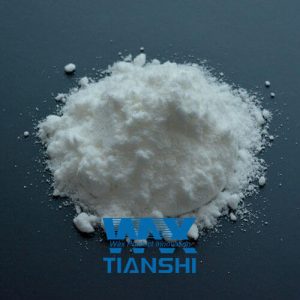
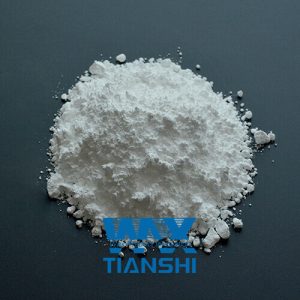
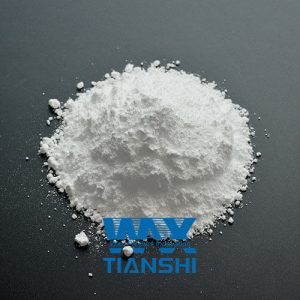
Fischer-Tropsch wax is a high-purity synthetic wax produced using the Fischer-Tropsch process. Compared to traditional paraffin wax, it has higher hardness, a higher melting point, and better abrasion resistance, making it particularly suitable for surface protection applications.

When micronized Fischer-Tropsch wax is added to a coating, the particles migrate to the coating surface during drying or curing. This forms a thin protective layer, reducing direct contact between the coating and abrasive objects.
Therefore, friction is reduced, and the coating’s scratch resistance and resistance to surface damage are improved.
One of the main mechanisms for improving scratch resistance is reducing surface friction. The lower the friction, the less mechanical stress is transmitted to the coating as an object slides across its surface.
FT waxes also improve scratch resistance and abrasion resistance, helping coatings maintain their appearance for longer.
In addition to scratch resistance, FT waxes enhance slip properties. The coated surface is smoother, making it easier to handle during production and transportation.
Anti-blocking properties are also improved, especially in applications involving stacked coated substrates.
FT waxes are widely used in powder coatings, water-based coatings, solvent-based coatings, UV coatings, and industrial metal coatings.
The effectiveness of FT waxes depends on several factors, such as particle size, melting point, hardness, and compatibility with the coating system.
Finely powdered FT waxes generally provide better surface smoothness and more uniform protection while minimizing the impact on gloss.
Optimizing the dosage is crucial. Too little wax may not provide sufficient protection, while too much may affect gloss or coating appearance.
Many advanced coating formulations combine FT waxes with PTFE waxes or polyethylene waxes to achieve the optimal balance between cost, scratch resistance, and slip properties.
As paint manufacturers continue to demand greater durability and longer service life, Fischer-Tropsch waxes remain one of the most effective synthetic wax additives in scratch-resistant coatings.
If you are developing a scratch-resistant coating system, our micronized Fischer-Tropsch wax products offer reliable performance and excellent formulation flexibility. Please contact us for technical support and product recommendations.
 Leave a message

We’ll get back to you soon