

2025-06-30 Pageview:880
Wax additives enhance pigment dispersion, processing efficiency, and compatibility in plastic masterbatches. Learn how to choose the right wax for your formulation.
In the plastic industry, masterbatch serves as a concentrated mixture of pigments, fillers, and additives dispersed in a carrier resin. To ensure consistent color strength, smooth processing, and compatibility with downstream applications, wax additives are widely used as internal and external lubricants in masterbatch production.
This article explores the functions, benefits, and selection principles of wax additives for color masterbatch, filler masterbatch, and functional masterbatch applications.

Wax additives used in masterbatch are typically:
Polyethylene (PE) wax
Fischer-Tropsch (FT) wax
Oxidized PE wax
Amide wax or erucamide
PP wax (for PP-based systems)
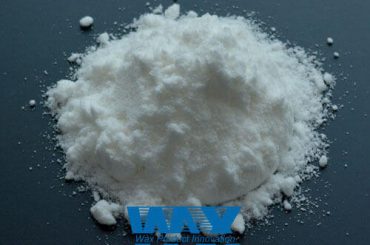
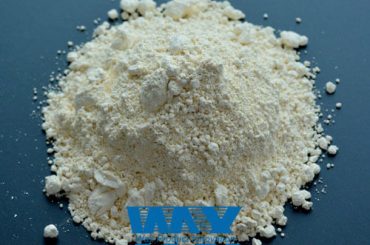
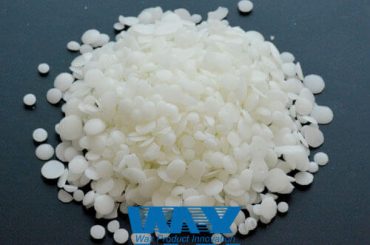
They come in flake, powder, or granule form and are integrated into the masterbatch during twin-screw extrusion or kneading.
1. Improves Pigment and Filler Dispersion
Waxes reduce internal friction, allowing pigments or fillers like TiO₂, carbon black, or CaCO₃ to disperse evenly in the carrier resin. This enhances color strength, brightness, and stability.
2. Acts as Processing Lubricant
Wax reduces melt viscosity and facilitates faster extrusion with lower torque and lower energy consumption—especially important for high pigment load masterbatches.
3. Enhances Compatibility
Oxidized waxes (with acid or hydroxyl groups) improve resin-filler or resin-pigment interaction, especially in polar resin systems or functional masterbatches like anti-static or anti-blocking agents.
4. Improves Pellet Quality and Flowability
Waxes help pellets to release easily from the die, improve pellet shape, and prevent sticking or bridging during cooling, drying, and packaging.
Wax additives are widely used in:
Color masterbatches (black, white, blue, red, etc.)
Filler masterbatches (talc, CaCO₃, barium sulfate)
Functional masterbatches (anti-UV, anti-blocking, anti-static)
Desiccant masterbatches
Biodegradable or recycled plastic carriers
They are compatible with PE, PP, EVA, ABS, PS, and biodegradable plastics like PLA or PBAT.
Typical dosage: 1.0%–5.0%, depending on pigment loading and resin system
Use oxidized PE wax when better dispersion and interfacial bonding are needed
Use FT wax or low-viscosity PE wax when smooth extrusion is a priority
For high-transparency or low-gloss applications, select fine particle, high melting point waxes
Choosing the Right Wax Type
| Wax Type | Main Features | Best For |
|---|---|---|
| PE Wax | General purpose, cost-effective | Color and filler masterbatch |
| Oxidized PE Wax | Better dispersion, polarity | Functional masterbatch, EVA-based |
| FT Wax | High melting point, clean surface | High-temperature processing |
| Amide Wax | Excellent slip and anti-blocking | Film-grade masterbatch |
Blending wax types is common for balancing cost and performance.
Wax additives are critical processing aids in plastic masterbatch production. They not only improve dispersion and compatibility but also help achieve stable production, consistent performance, and superior end-use quality. A well-chosen wax system can reduce cost, increase output, and enhance the downstream usability of the masterbatch.
Need help choosing the right wax additives for your masterbatch line? Contact our technical team to request formulation advice and tailored wax solutions.
 Leave a message

We’ll get back to you soon