

2025-10-31 Pageview:130
As waterborne coil coatings continue to replace traditional solvent-based systems in roofing sheets, architectural metal panels, home appliances, and building facades, performance expectations rise higher each year. End-users require high hardness, scratch resistance, stain resistance, and long-term durability, yet formulators must work within increasingly strict VOC limits and sustainability goals. Under these constraints, selecting the right surface-modifying additive becomes critical. Anti-scratch wax powder has emerged as a key technology to help waterborne coil coatings achieve the mechanical strength and surface performance typically associated with solvent-borne systems.
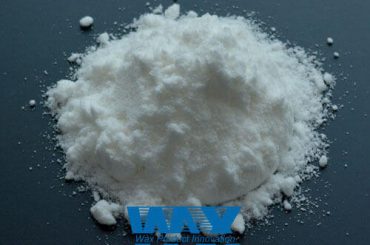
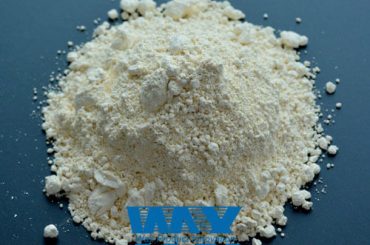
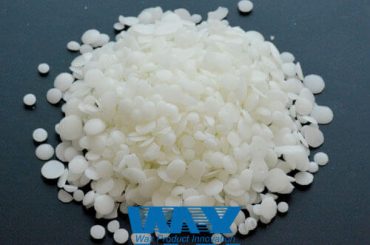
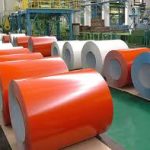
In coil coating environments, coated metal substrates undergo intensive handling—coil winding, stacking, transportation, and onsite installation. These mechanical stresses create risks of surface abrasions, scuffing, micro-scratches, and gloss loss. While resin backbone strength, cross-link density, and curing temperature all contribute to coating toughness, fine-tunable surface protection from wax does what binders alone cannot. Wax powder disperses throughout the film during application and gradually migrates toward the surface during film formation, creating a thin, uniform, lubricating crystalline layer that reduces friction and improves scratch resistance without compromising inter-coat adhesion or film clarity.
Compared with traditional slip additives or silicone-based modifiers, micronized wax powder offers a more balanced property profile. Silicones can cause inter-coat adhesion issues or cratering, while mineral additives may reduce gloss or impact flexibility. By contrast, specialized polyethylene-based anti-scratch wax powders provide smooth slip, increased surface hardness, improved abrasion resistance, and controlled gloss effects, all with minimal impact on leveling and flexibility. The controlled particle size and narrow distribution ensure uniform dispersion and avoid film defects such as speckling or matting in high-gloss systems.
Waterborne coil coatings present additional formulation challenges: higher surface tension, slower film formation, and sensitivity to water whitening. A carefully selected surface-modifying wax assists by enhancing film compactness and providing early-stage mechanical resistance before full crosslinking. The result is better line efficiency and fewer handling defects during production, including reduced pick-up marks, roller scratches, and mechanical bruising when coils are processed at high speeds. Once fully cured, the coating exhibits improved rub resistance, stain resistance, and long-term durability against real-world abrasion and chemical exposure.
Additionally, anti-scratch wax powder supports UV and weathering stability, critical for outdoor coil applications. By forming a micro-shield on the coating surface, wax particles help reduce surface erosion and slow gloss degradation under UV radiation. For metallic or effect finishes, wax improves mar resistance while maintaining metallic clarity, ensuring premium appearance over the product’s long service life. Its compatibility with acrylic, polyester, epoxy, and polyurethane waterborne binders makes it a versatile choice across primer, basecoat, and topcoat layers.
Key performance benefits include:
Significantly improved scratch and abrasion resistance
Increased surface hardness without brittleness
Enhanced slip and anti-blocking properties
Protection against handling damage and roller marks
Maintained gloss and leveling performance
Support for UV durability and stain resistance
Stable performance in low-VOC, waterborne systems
Today’s coil coating facilities face high-speed manufacturing conditions and end-user expectations for durability and sustainability. Anti-scratch wax powder enables waterborne coil coatings to meet premium surface standards, bringing metal panels closer to high-performance architectural and appliance finishes without the environmental drawbacks of solvent-based systems.
Send us your formulation requirements and request samples today. Let’s optimize your coil coating performance together.
 Leave a message

We’ll get back to you soon