

2025-10-31 Pageview:137
Metal die casting continues to advance toward higher precision, complex geometries, thinner walls, and faster cycle speeds. Whether in aluminum, magnesium, zinc, or copper alloy casting, manufacturers face ongoing challenges: clean and easy release, consistent surface finish, reduced buildup, high-temperature stability, and mold protection under repeated thermal cycles. With productivity and defect-control demands intensifying, formulating advanced die-casting release agents requires additives that perform beyond conventional lubricants.
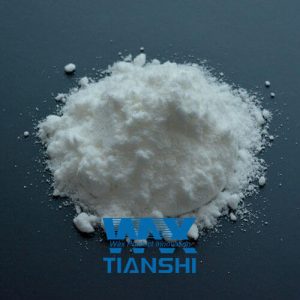
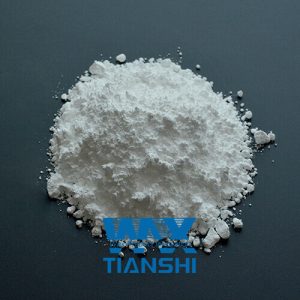
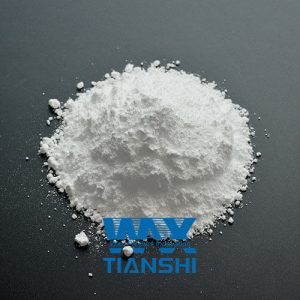
Wax-based additives play a critical role in modern die-casting release agents. In contrast to silicone-only or oil-only systems, specialty wax powders and emulsions offer balanced lubricity, cleaner release, reduced carbon residue, and better film integrity, helping factories achieve stable casting performance while protecting mold life. Polyethylene and Fischer-Tropsch-based waxes, in particular, provide high thermal melting stability and controlled lubricity, forming a micro-layer barrier that improves part release without excessive transfer or build-up.
In high-temperature casting environments, standard lubricants may degrade rapidly, generating sticky residues, smoke, and inconsistent release films. By incorporating engineered wax additives, release agents develop a heat-resistant micro-crystalline structure that withstands thermal shock and temporary contact with molten metal. This ensures consistent separation between mold and casting, reducing sticking, soldering, and micro-weld defects. The result is smoother surface finish, reduced polishing and secondary cleaning, and lower scrap rates.
Modern die casting molds also require protection from abrasion, thermal fatigue, and micro-erosion. The right wax system forms a uniform, thin film that reduces friction between the molten alloy and mold surface, lowering mechanical wear and extending mold maintenance intervals. Compared with silicone-dominant systems, optimized wax blends help avoid excessive transfer, reduce water-spotting, and support precise film thickness on complex cores, inserts, and slides.
Because water-based die-casting release systems are increasingly adopted to meet environmental standards, wax selection becomes even more critical. Emulsified wax systems enhance film formation in water-borne formulations, improve wetting on heated mold surfaces, and support fast flash evaporation—key to minimizing steam-stain defects and trapped moisture. Meanwhile, wax dispersions offer highly stable particle distribution, eliminating settling and ensuring consistent performance throughout high-volume manufacturing.
Key performance functions of wax additives in die-casting release agents include:
Clean and efficient release with reduced sticking
Controlled lubricity without mold flooding or micro-weld defects
Improved mold protection and reduced thermal fatigue wear
Lower residue and reduced smoke generation
Stable performance in water-based release systems
Better surface finish and less post-polishing
Support for high-speed, continuous casting cycles
Minimized buildup on venting and parting surfaces
Looking for Specialty Wax Additives for Die-Casting Release Agents?
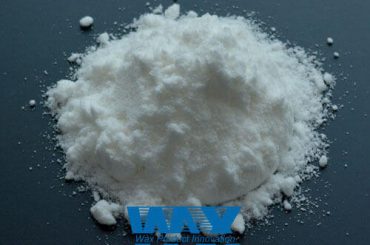
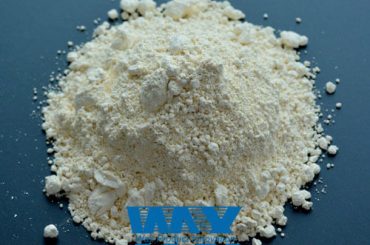
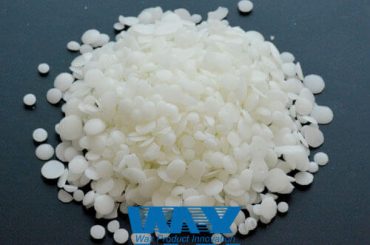
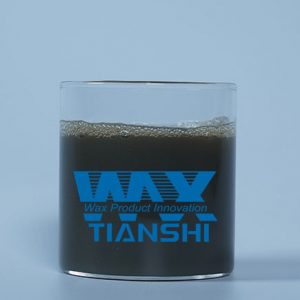
We supply high-purity PE wax, FT wax, wax emulsions, and wax dispersions engineered for die-casting release agent formulation. Our products deliver controlled lubricity, clean release, and reliable thermal stability for high-demand casting lines.
Contact us to request samples, TDS, formulation suggestions, and pricing.Tell us your alloy type and mold temperature — we will recommend the right wax grade for your production needs.
 Leave a message

We’ll get back to you soon