

2025-12-17 Pageview:161
Wood coatings are expected to deliver a delicate balance between appearance, protection, and application performance. Whether used for furniture, flooring, or interior wood panels, modern wood coatings—especially water-based systems—often face challenges such as surface blocking, insufficient slip, poor abrasion resistance, and inconsistent surface feel. These issues are closely linked to the behavior of the coating surface during drying and film formation, where wax additives play a critical role.
Unlike pigments or resins that dominate bulk film properties, wax additives primarily influence the surface characteristics of wood coatings. Their controlled migration and distribution within the coating film determine how the surface performs under real-world conditions such as stacking, handling, abrasion, and daily use.
Wood coatings, particularly water-based formulations, tend to exhibit higher surface friction and tackiness during early film formation. This can result in blocking when coated panels are stacked or packed too soon. In addition, insufficient surface lubrication often leads to poor scratch resistance and visible damage during transportation or installation.
Another common issue is the uneven surface feel. A coating may appear visually acceptable but still feel rough or draggy when touched, which negatively affects perceived quality—especially for furniture and decorative wood applications.
These problems cannot be fully solved by adjusting resin systems alone. Surface-oriented additives are required to fine-tune friction, hardness balance, and durability without sacrificing transparency or adhesion.
Wax additives work by forming a micro-distributed phase within the coating matrix. During drying and curing, wax particles partially migrate toward the coating surface, where they create a lubricating and protective layer at a microscopic level.
This mechanism delivers several functional benefits simultaneously. First, it reduces the coefficient of friction, allowing coated surfaces to slide against each other more easily, which significantly improves slip properties. Second, it minimizes surface tack, effectively reducing blocking tendencies during stacking or packaging. Third, wax particles act as micro shock absorbers, improving scratch and abrasion resistance by dispersing mechanical stress.

The key is controlled migration. Properly designed and wax dispersions allow uniform surface coverage without causing surface defects, haze, or incompatibility issues.
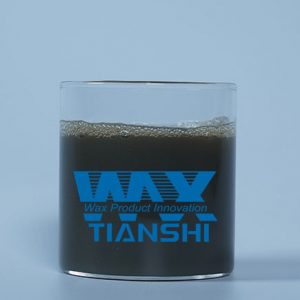
Wax emulsions are particularly suitable for water-based wood coatings due to their excellent compatibility and ease of incorporation. They are supplied in liquid form, making them simple to dose and disperse during production without high shear equipment.
In water-based wood coatings, wax emulsions improve slip and anti-blocking performance while maintaining coating clarity and gloss control. Depending on wax type and particle size, they can be used to achieve anything from a soft, silky touch to a more robust, wear-resistant surface.
Another advantage of wax emulsions is their formulation flexibility. They can be tailored to work with acrylic, polyurethane, or hybrid resin systems commonly used in furniture and parquet floor coatings.
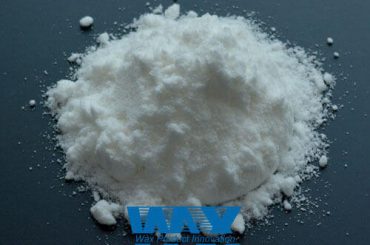
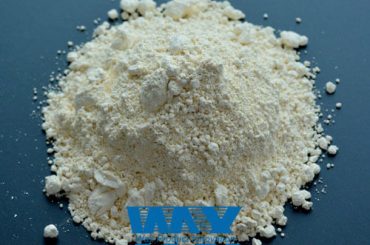
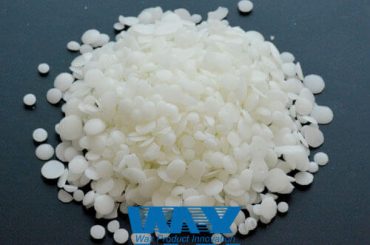
For applications requiring higher mechanical resistance, such as wood flooring or high-traffic furniture surfaces, wax dispersions and micronized waxes offer enhanced performance. Their smaller and more uniform particle size enables more consistent surface protection and improved abrasion resistance.
These wax additives help coatings withstand repeated friction, cleaning, and handling without compromising appearance. When properly selected, they maintain transparency and do not negatively affect recoating or adhesion between layers.
The choice between wax emulsions, dispersions, or micronized waxes depends on the target performance profile, application method, and desired surface feel.
One of the main formulation challenges in wood coatings is achieving sufficient slip and scratch resistance without introducing unwanted side effects such as excessive matting, surface whitening, or reduced intercoat adhesion.
High-quality wax additives are designed to deliver functional surface improvements at low addition levels. This allows formulators to fine-tune surface properties while preserving the natural beauty of wood grain and coating clarity.
By adjusting wax type and dosage, manufacturers can optimize the balance between surface smoothness, durability, and aesthetic appeal.
Choosing the right wax additive involves more than selecting a wax type. Particle size, melting point, compatibility with the binder system, and application conditions all influence final performance.
For furniture coatings where touch and appearance are critical, softer wax emulsions with controlled migration are often preferred. For flooring or industrial wood coatings, harder wax dispersions or micronized waxes may be more suitable to enhance wear resistance.
Laboratory testing under realistic conditions—such as blocking tests, abrasion resistance, and slip measurements—is essential to determine the optimal solution.
In wood coatings, surface performance defines product quality. Wax additives provide a proven and efficient way to improve slip, reduce blocking, and enhance surface durability without compromising appearance or processing efficiency.
By selecting the appropriate wax emulsion or wax dispersion, coating manufacturers can solve common surface problems and deliver consistent, high-quality wood finishes that meet market expectations.
If you are developing or optimizing wood coating formulations and are looking for reliable wax additive solutions, our technical team can help you select and customize the right product for your specific application. Contact us to discuss your formulation challenges and request samples for evaluation.
 Leave a message

We’ll get back to you soon