

2026-06-08 Pageview:86
Slip properties are a key characteristic of modern printing inks. Whether used in flexible packaging, labels, paper packaging, or laminating varnishes, printing inks must provide controllable frictional properties to ensure efficient production and high-quality finished products.
Poor slip properties can lead to numerous production problems. Printed materials may stick together during rewinding, experience feeding issues during processing, or be damaged by scratches and abrasion. These problems reduce production efficiency and increase manufacturing costs.
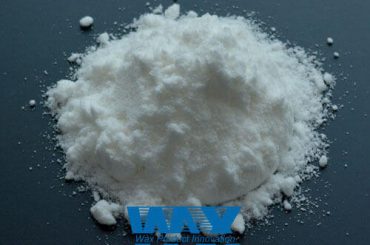
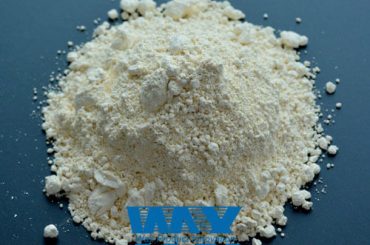
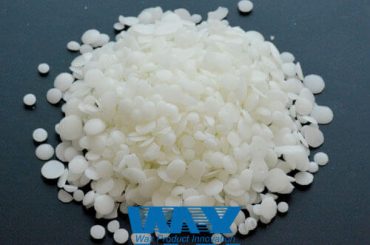
One of the most effective ways to improve the slip properties of printing inks is by using Fischer-Tropsch wax. Fischer-Tropsch wax is a synthetic wax known for its high hardness, excellent lubrication properties, and stable performance. It has become a widely used additive in both water-based and solvent-based ink systems.

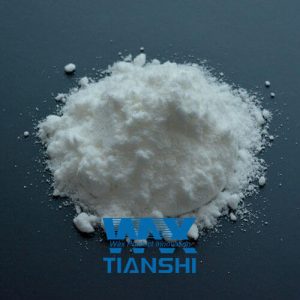
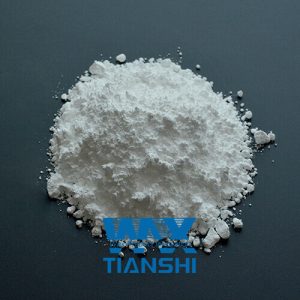
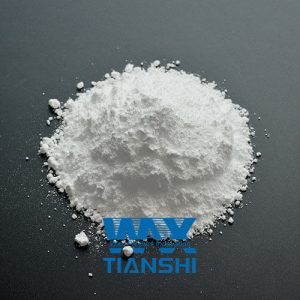
When micronized Fischer-Tropsch wax is added to an ink formulation, the wax particles migrate to the ink surface during drying. These particles form a microscopic lubricating layer that reduces friction between the printed surface and the contact material. The result is improved slip properties and a lower coefficient of friction.
Reduced friction brings many important benefits. First, it allows printed substrates to pass more smoothly through processing equipment such as slitting machines, laminating machines, and bag-making machines. This improves production efficiency and reduces downtime.
Second, improved slip properties help reduce surface damage. Reduced friction also reduces the mechanical stress transmitted to the ink film. This helps improve scratch and abrasion resistance, thus maintaining print quality during transport and handling.
Third, improved slip properties often also enhance anti-blocking properties. When surface friction and adhesion are reduced, printed films and sheets are less likely to stick together. This is especially important for flexible packaging applications where printing is immediately rolled into rolls.
Compared to traditional paraffin wax, Fischer-Tropsch wax offers more stable and durable slip properties. Its higher hardness and melting point ensure its lubricating effect remains effective even under harsh production conditions.
The degree of improvement in slip depends on several factors, such as particle size, wax concentration, and compatibility with the ink system. Finely powdered waxes are typically chosen because they provide excellent slip without significantly affecting gloss or transparency.
Fischer-Tropsch waxes can be used in water-based flexographic inks, solvent-based gravure inks, UV inks, and topcoat varnishes. In applications requiring extremely low friction, Fischer-Tropsch waxes are often blended with polytetrafluoroethylene (PTFE) waxes to achieve an even lower coefficient of friction.
As packaging production demands increasing speed and efficiency, improving slip properties has become increasingly important. Fischer-Tropsch waxes offer a reliable and cost-effective solution that reduces friction while enhancing durability and print quality.
TIANSWAX offers high-performance Fischer-Tropsch wax additives for printing inks, coatings, plastics, and industrial applications. Contact our technical team today to find the wax solution best suited to your formulation.
 Leave a message

We’ll get back to you soon