

2025-12-29 Pageview:205
In powder coating applications, achieving a smooth, defect-free, high-gloss finish is essential for both aesthetic appeal and functional performance. One of the key challenges during powder coating processing is foam formation, which can result in pinholes, surface defects, and reduced gloss. High-gloss defoamers, particularly those based on wax additives such as micronized wax and wax emulsions, play a critical role in controlling foam, enhancing slip, and improving the overall quality of powder-coated surfaces.
Foam in powder coatings can arise during mixing, extrusion, or spraying processes. Entrapped air can lead to uneven coverage, surface roughness, and reduced gloss, compromising the visual appeal and protective properties of the coating. Incorporating an effective defoamer ensures that bubbles are minimized, surfaces remain smooth, and coatings achieve a uniform, high-quality finish.

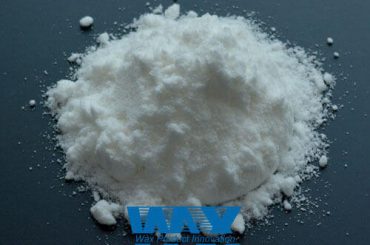
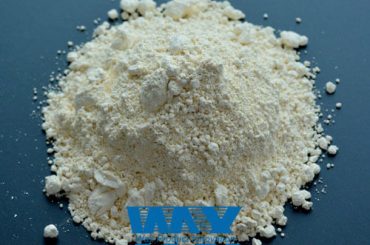
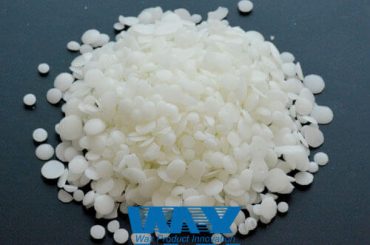
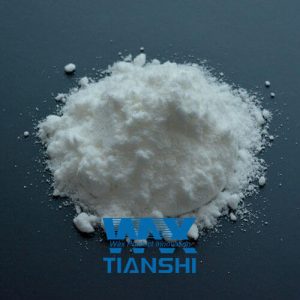
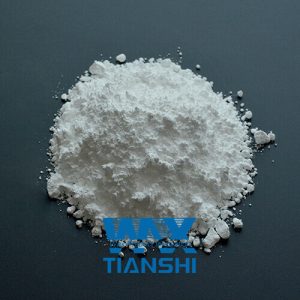
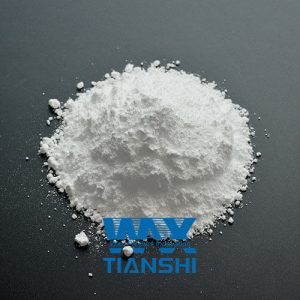
Wax additives are widely recognized as efficient defoaming agents in powder coatings. Micronized wax, with its ultra-fine particle size, disperses evenly throughout the powder matrix, providing effective anti-foaming properties. These particles reduce surface tension and facilitate the collapse of air bubbles, preventing pinholes and other surface imperfections. Micronized wax also enhances slip and flow, which improves the leveling of the powder coating during application and curing. As a result, formulators can achieve smoother, glossier finishes with reduced surface defects.
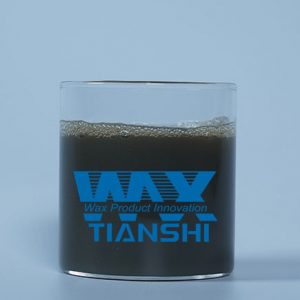
Wax emulsions offer another versatile option for high-gloss defoaming in powder coatings. These liquid dispersions of wax can be incorporated into powder coating formulations to form a thin, uniform layer on particle surfaces. This layer not only improves slip and flow during application but also helps release entrapped air, reducing foam formation. Wax emulsions contribute to enhanced surface smoothness and gloss, ensuring a high-quality appearance for decorative and industrial coatings alike.
When selecting a high-gloss defoamer for powder coatings, formulators should consider several factors:
Compatibility: The defoamer must be compatible with the powder coating resin, pigments, and other additives to prevent adverse reactions or performance reduction. Wax additives from our product range are designed to offer excellent compatibility with a wide range of resins, pigments, and curing systems, ensuring consistent results.
Processing Conditions: The method of powder preparation, extrusion temperature, and curing process influence defoamer performance. Micronized waxes maintain their stability at high processing temperatures, while wax emulsions are suitable for a variety of formulation types, including hybrid systems.
Functional Requirements: The required surface properties, including high gloss, smoothness, and minimal pinholes, determine the type and concentration of defoamer used. Micronized wax is particularly effective in reducing internal friction and air entrapment, whereas wax emulsions excel in forming protective layers that improve surface uniformity and sheen.
Dosage Optimization: The amount of defoamer added directly affects foam control and surface quality. Excessive wax can lead to surface blooming or affect powder adhesion, while insufficient amounts may fail to prevent pinholes and defects. Our product guidelines provide recommended dosage ranges to achieve optimal performance.
Incorporating our wax additives as high-gloss defoamers allows powder coating formulators to achieve balanced performance. Micronized wax improves slip, reduces friction, and facilitates smooth application, while wax emulsions enhance surface gloss, reduce defects, and maintain the visual appeal of finished coatings. The combination of these additives ensures consistent, high-quality results across decorative and industrial powder coating applications.
In addition to improving surface quality, wax-based defoamers contribute to more efficient and sustainable production. Reduced foam and better flow lower processing pressure and minimize wear on equipment, which leads to cost savings and more stable production lines. Formulators can achieve visually appealing, durable coatings while optimizing energy consumption and material usage.
In conclusion, high-gloss defoamers are essential for controlling foam, enhancing surface smoothness, and achieving defect-free finishes in powder coatings. Wax additives, including micronized wax and wax emulsions, provide versatile and effective solutions for foam control, slip enhancement, and gloss improvement. By considering compatibility, processing conditions, functional requirements, and optimal dosage, formulators can select the most suitable high-gloss defoamer to ensure superior performance, durable coatings, and visually appealing finishes in powder coating applications.
 Leave a message

We’ll get back to you soon