

2025-11-13 Pageview:288
In powder metallurgy, achieving precise shape retention, smooth pressing, and high green strength is critical to ensuring the quality of the final sintered product. One of the essential components that supports this precision is micronized wax—a fine-particle lubricant that provides uniform internal lubrication during powder compaction.
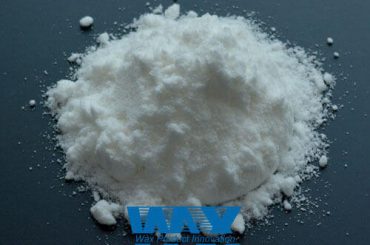
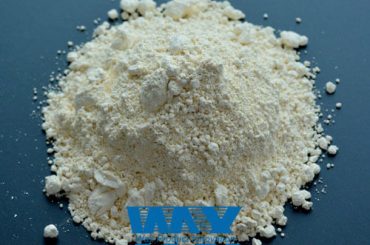
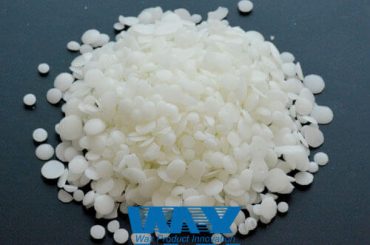
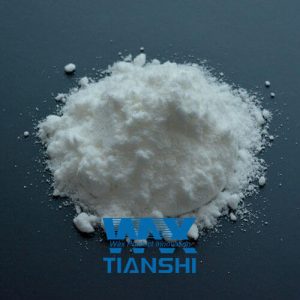
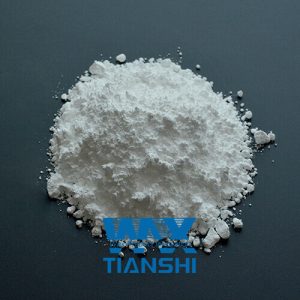
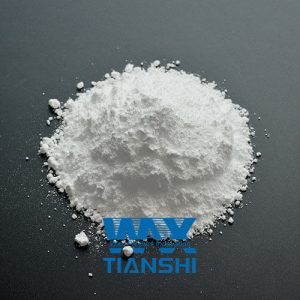
Micronized waxes, typically derived from polyethylene (PE), polypropylene (PP), or amide-based materials, are used in small amounts within metal powder formulations. Their primary role is to reduce friction between metal particles and the die wall during the compaction stage. This lubrication effect allows powders to flow evenly, fill complex molds more easily, and be pressed at higher densities without causing excessive wear to the die.

Compared to conventional lubricants such as stearates, micronized waxes offer more controlled lubrication and cleaner burn-off during sintering. Because of their narrow particle size distribution and uniform melting behavior, they ensure consistent lubrication throughout the powder mass, minimizing defects such as lamination or density gradients. This results in components with smoother surfaces and improved dimensional stability.
Another key advantage is the enhancement of green strength—the mechanical integrity of the part before sintering. With optimized internal lubrication, the metal particles bond more effectively during compaction, producing stronger green bodies that resist cracking or deformation during handling and ejection.
The use of micronized wax also leads to cleaner sintered surfaces. During the sintering process, the wax fully volatilizes without leaving carbon residues, unlike traditional lubricants that may cause discoloration or gas generation. This is especially important for stainless steel or iron-based parts where surface quality and metallurgical purity are critical.
Manufacturers can fine-tune performance by selecting different wax chemistries. For example, oxidized polyethylene wax provides better compatibility with metal powders and disperses easily, while amide waxes deliver stronger internal lubrication and smoother ejection. The choice of wax type depends on part geometry, pressing pressure, and metal type.
In short, micronized wax for powder metallurgy ensures higher compaction efficiency, cleaner sintering, and longer die life—all key drivers for cost reduction and performance improvement.
If your powder metallurgy process requires a reliable, clean-burning lubricant to optimize density and surface quality, contact TIANSWAX. We provide customized micronized waxes designed for various metal systems, helping you achieve superior process consistency and final product performance.
 Leave a message

We’ll get back to you soon