

2026-02-26 Pageview:135
In industrial coatings, surface performance is rarely determined by resin chemistry alone. Functional additives such as wax play a decisive role in controlling abrasion resistance, slip properties, blocking resistance and surface feel. Two of the most widely used wax technologies are wax emulsions and micronized wax powders. Although both serve surface modification purposes, their behavior, processing characteristics and performance outcomes differ significantly. Understanding these differences is essential for formulators and purchasing managers seeking predictable coating performance.
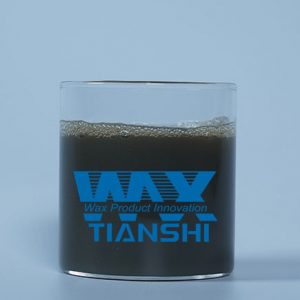
Wax emulsions consist of finely dispersed wax particles stabilized in water. They are supplied as liquid systems and are typically used in water-based industrial coatings. Because the wax particles are pre-dispersed, incorporation into coating formulations is straightforward. During film formation, the wax particles migrate toward the surface as water evaporates, forming a uniform micro-layer that reduces friction and enhances abrasion resistance. This migration behavior makes wax emulsions particularly effective in improving slip properties without requiring high-shear dispersion equipment.

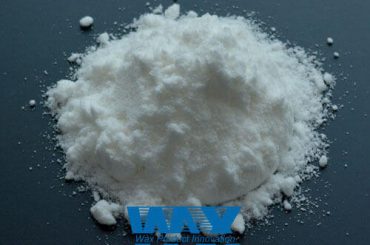
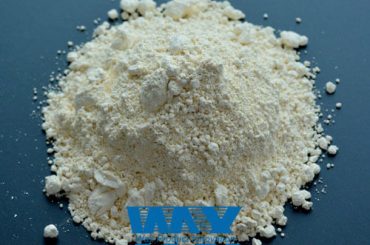
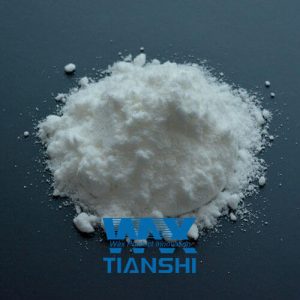
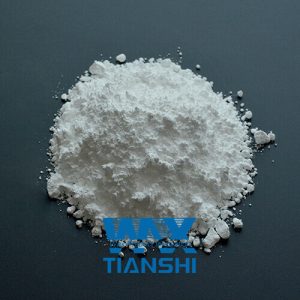
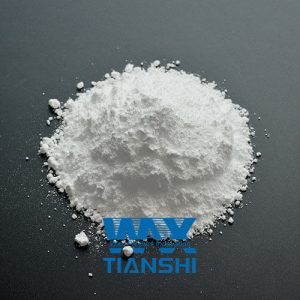
Micronized wax, by contrast, is supplied in powder form. These particles are mechanically or chemically processed to achieve a defined small particle size, often in the micron range. Micronized wax is commonly used in solvent-based, high-solid or powder coating systems where water-based emulsions are not suitable. Because the wax is not pre-dispersed, proper incorporation requires adequate dispersion energy to avoid agglomeration. When well dispersed, micronized wax provides highly controlled surface roughness and excellent scratch resistance.
One of the primary differences between wax emulsion and micronized wax lies in processing convenience. Wax emulsions simplify manufacturing for water-based systems. They can be added during the let-down stage with minimal risk of particle agglomeration. This reduces production time and ensures consistent quality across batches. Micronized wax requires more careful dispersion control, and insufficient mixing can lead to surface defects or uneven performance.
In terms of abrasion resistance, both technologies are effective, but the mechanism differs slightly. Wax emulsions create a lubricating surface layer that reduces friction under mechanical stress. This is especially beneficial in industrial coatings used for metal parts, machinery housings or storage systems where sliding contact occurs frequently. Micronized wax, depending on particle hardness and size, can create a more structured micro-texture that enhances scratch resistance in high-load environments.
Slip properties are generally easier to control with wax emulsions. Because the wax migrates gradually during drying, it forms a relatively uniform surface film. Micronized wax can also reduce friction, but the effect depends heavily on particle size distribution and compatibility with the resin matrix. If dispersion is inconsistent, slip performance may vary across the coated surface.
Gloss impact is another critical consideration. In high-gloss industrial coatings, excessive surface roughness must be avoided. Wax emulsions, especially those with fine particle size, tend to have minimal influence on gloss levels. Micronized wax may cause slight matting if particle size is larger or if loading levels are high. Therefore, for applications where appearance is critical, careful selection and dosage adjustment are necessary.
Compatibility with coating chemistry also influences the choice. Wax emulsions are primarily suited for water-based industrial coatings. Attempting to use them in solvent-based or powder systems may result in instability or film defects. Micronized wax offers broader compatibility across solvent-based and powder coating systems, making it more versatile in certain industrial sectors.
Durability requirements often guide the final decision. For moderate abrasion environments and applications requiring easy formulation handling, wax emulsions are typically sufficient and cost-effective. For high-performance coatings exposed to aggressive mechanical wear, micronized wax—particularly high-hardness grades—may provide superior long-term scratch resistance.
Another factor is storage and logistics. Wax emulsions require attention to freeze stability and shelf-life management, while micronized wax powders offer longer storage stability and easier transportation. For global industrial coating manufacturers, supply chain considerations can influence additive selection as much as performance metrics.
Ultimately, the choice between wax emulsion and micronized wax should be based on coating system type, performance targets, processing capability and economic considerations. There is no universal solution. Instead, optimal results come from matching the wax technology to the specific industrial coating application.
For formulators aiming to upgrade abrasion resistance, improve slip performance or fine-tune surface characteristics, comparative testing under real production conditions remains essential. Controlled evaluation of friction coefficient, Taber abrasion resistance, gloss retention and surface appearance provides data-driven guidance for additive selection.
If you are evaluating wax emulsion or micronized wax solutions for your industrial coatings and need technical recommendations tailored to your system, we are ready to assist. Share your coating type, performance requirements and processing conditions with us. Our technical team can recommend suitable grades, provide samples for testing and support you in achieving consistent surface performance. Contact us today to discuss your project and explore the right wax solution for your industrial coating application.
 Leave a message

We’ll get back to you soon