

2026-02-26 Pageview:5
Rub resistance is one of the most critical performance indicators in flexographic and gravure inks, especially in flexible packaging, labels and export printing applications. During transportation, stacking and handling, printed surfaces are constantly exposed to friction. If the ink film lacks sufficient resistance, visible scuffing, color transfer and surface dulling can occur, leading to customer complaints and rejected shipments. For ink manufacturers and converters, improving rub resistance is not optional—it is essential for maintaining product quality and market competitiveness.
Flexographic and gravure inks, particularly solvent-based and water-based systems, often rely on fast-drying resin structures. While rapid drying improves production efficiency, it can also result in relatively soft ink films if the surface is not properly modified. When two printed surfaces come into contact under pressure, the friction generated can disrupt pigment distribution at the surface, causing abrasion marks or gloss loss. This is where wax additives play a strategic role.
Wax additives improve rub resistance primarily by reducing the coefficient of friction at the ink surface. When properly dispersed, micronized wax particles or wax emulsions migrate toward the surface during drying. They form a thin, protective layer that absorbs mechanical stress and minimizes direct resin-to-resin contact. Instead of the polymer matrix bearing the full friction load, the wax-modified surface distributes stress more effectively, reducing visible damage.

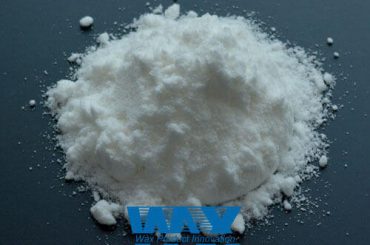
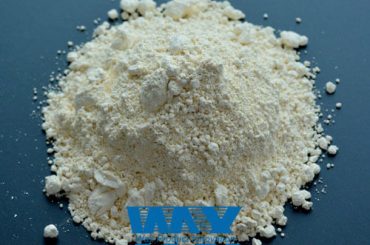
The choice of wax type is critical. For solvent-based flexographic and gravure inks, micronized polyethylene wax is widely used due to its good compatibility and balanced hardness. It enhances slip and abrasion resistance without significantly affecting gloss when particle size is properly controlled. Smaller particle sizes typically provide better transparency and smoother surface finish, which is particularly important for high-gloss packaging prints.
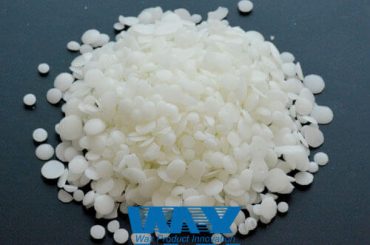
In higher-performance applications, especially where severe rubbing occurs during logistics, harder waxes or modified wax structures may be necessary. These grades provide improved scratch resistance but require careful dispersion to avoid surface haze. Proper milling or high-shear mixing ensures uniform particle distribution and consistent performance across print runs.
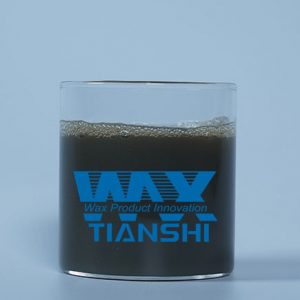
For water-based inks, wax emulsions are often preferred because they integrate easily into aqueous systems. Pre-dispersed wax particles reduce processing complexity and minimize agglomeration risks. During film formation, these particles coalesce at the surface, creating a lubricating interface that enhances anti-scuff performance. The stability of the emulsion is important, as phase separation or poor compatibility can negatively affect ink stability and storage life.
Dosage control is equally important. Insufficient wax loading may fail to deliver measurable rub resistance improvement, while excessive addition can interfere with intercoat adhesion or lamination performance. In packaging applications where printing is followed by lamination, wax level must be optimized to maintain bonding strength. Therefore, laboratory rub tests and coefficient-of-friction measurements are essential for determining the appropriate formulation balance.
Gloss retention is another key consideration. Many converters are concerned that adding wax may reduce print brilliance. However, with properly selected micronized wax grades—particularly those with narrow particle size distribution—the impact on gloss can be minimal. Advanced wax technologies are designed to provide abrasion protection without sacrificing visual appeal.
Beyond surface protection, wax additives can also improve processing efficiency. Enhanced slip reduces blocking during rewinding and stacking. This is particularly beneficial in high-speed flexographic production lines, where printed rolls are tightly wound shortly after drying. By minimizing surface tack and friction, wax additives contribute to smoother downstream operations.
Ultimately, improving rub resistance in flexographic and gravure inks requires a systematic approach. Resin selection, drying conditions, pigment dispersion and additive compatibility all interact to influence final performance. Wax additives are not a standalone fix but a key component in a well-optimized ink system. Selecting the right wax type, particle size and dosage can significantly extend print durability and reduce post-production defects.
As packaging standards become stricter and global transportation distances increase, demand for higher ink surface durability continues to grow. Ink manufacturers that proactively enhance rub resistance gain a competitive advantage by delivering more reliable performance under real-world conditions.
If you are facing rub resistance issues in your flexographic or gravure inks and need technical support selecting the right wax additive, we can help. Share your ink system type, solvent or water base, gloss requirements and target rub resistance standards with us. Our technical team can recommend suitable micronized wax or wax emulsion grades and provide samples for evaluation. Contact us today to improve the durability and quality of your printing inks.
 Leave a message

We’ll get back to you soon