

2026-03-06 Pageview:110
Offset printing remains one of the most widely used printing technologies in the packaging, publishing, and commercial printing industries. Offset inks are expected to deliver not only high color strength and gloss but also durable surface performance during printing, stacking, and transportation. In practical printing operations, however, the printed surface often faces friction and pressure when sheets are stacked, folded, or cut. Without proper additives, this can lead to scuffing, blocking, or loss of gloss on the printed surface.
Wax additives have become an essential component in modern offset ink formulations because they help improve the durability and surface protection of printed materials. Micronized wax powders and PTFE-modified waxes are especially effective in providing abrasion resistance and slip properties while maintaining the visual quality of the print.
During the drying and curing process of offset inks, wax particles dispersed within the ink film gradually migrate toward the surface. This migration forms a thin protective layer that reduces the direct contact area between the printed surface and external objects. Instead of the ink binder or pigment taking the full impact of friction, the wax particles act as microscopic protective points that absorb and distribute mechanical stress. As a result, the printed surface becomes more resistant to rubbing, scratching, and scuffing during handling.

Another important benefit of wax additives in offset inks is their ability to improve slip and anti-blocking performance. In high-speed printing environments, freshly printed sheets are typically stacked immediately after printing. If the ink surface remains too tacky or lacks sufficient slip, the sheets may stick together, a phenomenon known as blocking. This not only damages the print surface but also slows down production efficiency. By reducing the coefficient of friction between surfaces, wax additives help printed sheets slide against each other smoothly, preventing blocking and improving handling during post-printing processes such as cutting, folding, and binding.
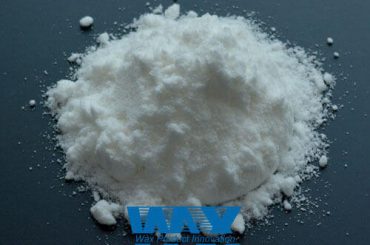
Micronized polyethylene wax is one of the most commonly used wax additives in offset printing inks. Its fine particle size allows it to disperse evenly within the ink system and create a uniform protective layer on the surface of the ink film. This type of wax offers a good balance between cost and performance, making it suitable for a wide range of commercial printing applications.
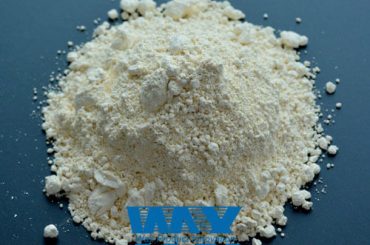
For more demanding applications, PTFE-modified wax additives are often used to further enhance scratch resistance and surface durability. PTFE wax has an extremely low coefficient of friction and excellent chemical resistance. When incorporated into offset ink formulations, it significantly improves the anti-scratch performance of the printed surface, especially in packaging applications where the printed materials are frequently handled during filling, shipping, and retail display.
The choice between different wax additives usually depends on the specific requirements of the printing application. Packaging printing inks, for example, often require stronger abrasion resistance due to the rough handling that occurs during logistics and distribution. In contrast, magazine and publication printing may prioritize maintaining high gloss while still providing moderate protection against rubbing.
Another key factor in selecting wax additives for offset inks is particle size distribution. Finer wax particles generally provide smoother surface protection and better transparency, which helps maintain the visual appearance of the printed image. Larger particles may offer stronger mechanical protection but could affect gloss if not properly controlled.
Ink manufacturers therefore need to carefully balance wax type, particle size, and dosage when formulating offset inks. Properly selected wax additives can significantly improve printing efficiency, reduce printing defects, and enhance the overall durability of printed materials.
As the demand for high-quality packaging and printed products continues to grow, wax additives are expected to play an even more important role in ink formulation. Advances in micronized wax technology and PTFE composite waxes are providing ink manufacturers with more options to optimize surface performance without compromising print quality.
If you are looking for high-performance wax additives for offset printing inks, including micronized polyethylene wax, PTFE wax, and customized wax blends, our technical team can help you select the most suitable solution for your formulation. Feel free to contact us for product recommendations, technical data, or samples for testing.
 Leave a message

We’ll get back to you soon