

2026-03-10 Pageview:110
Water-based coatings have become increasingly popular in recent years due to environmental regulations and sustainability requirements. Compared with solvent-based systems, waterborne coatings offer lower VOC emissions and safer processing conditions. However, achieving high surface durability in water-based coatings can be challenging, particularly when it comes to slip properties and mar resistance.
Slip resistance and mar resistance are critical surface characteristics in many coating applications. Slip refers to the ability of objects to slide across a coating surface with minimal friction, while mar resistance describes the coating’s ability to resist visible surface damage caused by rubbing or light mechanical contact.
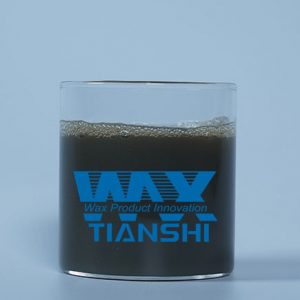
Wax emulsions are widely used in water-based coating formulations to control these surface properties. These additives consist of finely dispersed wax particles stabilized in an aqueous medium, allowing them to be easily incorporated into waterborne coating systems.
When a coating containing wax emulsion dries, the wax particles migrate toward the surface during film formation. This migration process results in the formation of a thin wax-enriched layer at the top of the coating film. Because wax materials typically have low surface energy and low friction coefficients, this surface layer significantly improves slip performance.
Improved slip properties help prevent surface damage caused by friction. When objects move across the coating surface—such as packaging materials, handling equipment, or stacked products—the wax layer reduces friction and minimizes the likelihood of surface scratches or marks.
Mar resistance is closely related to this effect. When the coating surface experiences mechanical contact, the wax particles absorb part of the mechanical energy and reduce direct stress on the coating film. As a result, the coating becomes more resistant to scuffing, rubbing marks, and minor abrasions.
Wax emulsions based on polyethylene wax are commonly used in water-based coatings because they provide an excellent balance of slip improvement and compatibility with aqueous systems. These emulsions are typically formulated with small particle sizes that ensure uniform distribution and minimal impact on coating appearance.
In addition to polyethylene wax emulsions, PTFE-modified wax emulsions are also used in high-performance coatings. These additives offer even lower friction coefficients and can significantly enhance mar resistance in demanding applications.
Another advantage of wax emulsions is their ease of incorporation into coating formulations. Because the wax particles are already dispersed in water, they can be added directly to the coating during the production process without requiring additional grinding or dispersion steps.
Proper dosage control is important to achieve optimal performance. Excessive wax emulsion levels may reduce coating gloss or affect film transparency. For this reason, formulators typically conduct performance testing to determine the most suitable concentration.
Wax emulsions are widely used in various water-based coating applications, including wood coatings, metal coatings, plastic coatings, and packaging coatings. In each case, the goal is to improve surface durability while maintaining the environmental benefits of waterborne technology.
As water-based coatings continue to replace traditional solvent-based systems, wax emulsions will play an increasingly important role in achieving high-performance surfaces. Their ability to enhance slip and mar resistance makes them an essential additive for modern coating formulations.
If you are developing water-based coatings and looking for reliable slip and mar resistance solutions, our wax emulsion products are designed to deliver consistent performance and easy formulation compatibility. Contact us to learn more about suitable wax emulsion options for your coating system.
 Leave a message

We’ll get back to you soon