

2026-03-23 Pageview:121
Printing on plastic films is widely used in flexible packaging applications such as food packaging, labels, and protective films. While these substrates offer excellent flexibility and barrier properties, they also present challenges in terms of ink adhesion and surface durability.
One of the most common issues faced by converters is poor scratch resistance of printed inks on plastic films. During transportation, handling, or further processing, printed surfaces are exposed to friction and mechanical stress. Without adequate protection, the ink layer can easily be damaged, leading to visible scratches and reduced product quality.
Improving scratch resistance is therefore essential for maintaining the appearance and performance of printed packaging.

The key to enhancing scratch resistance lies in modifying the surface properties of the ink film. Wax additives are widely used for this purpose because they provide a protective layer that reduces friction and absorbs mechanical stress.
When wax additives are incorporated into ink formulations, they migrate to the surface during drying or curing. This migration creates a thin layer that acts as a barrier between the ink film and external forces.
This protective layer reduces direct contact between the ink surface and abrasive materials, thereby minimizing scratches.
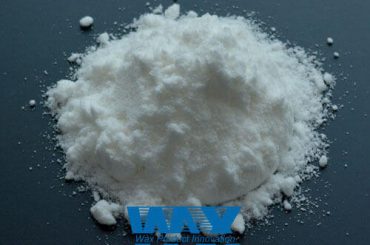
Micronized wax is particularly effective for improving scratch resistance on plastic films. Its fine particle size allows for uniform distribution and consistent surface coverage, which is critical for achieving reliable protection.
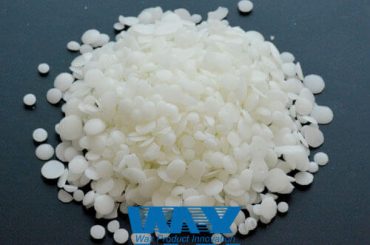
Polyethylene wax is commonly used due to its balanced performance and compatibility with various ink systems. It provides good abrasion resistance while maintaining cost efficiency.
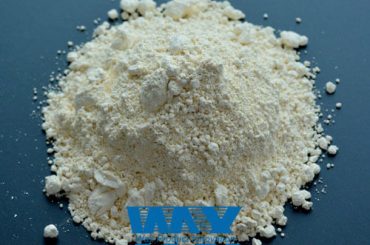
For higher performance applications, PTFE wax is often selected. Its extremely low coefficient of friction significantly reduces surface damage caused by rubbing or contact.
In many cases, a combination of PE wax and PTFE wax is used to achieve optimal results. The PE wax provides base-level protection, while PTFE enhances high-end performance.
In addition to selecting the right wax, formulation design is crucial. Factors such as binder compatibility, drying conditions, and additive dispersion all influence the final performance.
Surface treatment of plastic films, such as corona treatment, also plays a role in ink adhesion and overall durability. Good adhesion ensures that the ink layer remains intact under stress.
Dosage optimization is another important consideration. Excessive wax may affect gloss, transparency, or print clarity, while insufficient amounts may not provide adequate protection.
Testing under real-world conditions, such as rub tests or abrasion tests, is essential to evaluate performance.
As flexible packaging continues to demand higher durability and better aesthetics, improving scratch resistance remains a top priority for ink formulators.
Wax additives provide a practical and effective solution to this challenge, helping manufacturers deliver high-quality printed products that withstand handling and transportation.
If you are facing scratch resistance issues in printing on plastic films, our wax additives—including micronized PE wax and PTFE wax—can help enhance durability and protect your printed surfaces. Contact us to discuss your application and request tailored recommendations.
 Leave a message

We’ll get back to you soon