

2026-05-08 Pageview:160
Slip performance is an important factor in coatings, printing inks, plastics, and packaging materials. Poor slip can cause processing problems, blocking, scratching, and handling difficulties, especially in high-speed industrial production.
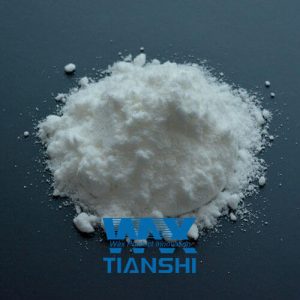
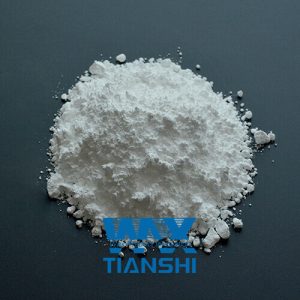
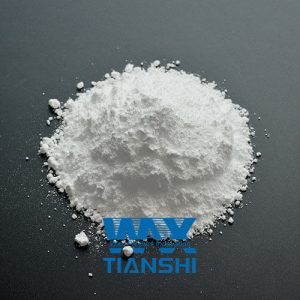
To solve these issues, formulators commonly use wax additives that reduce surface friction and improve surface smoothness. Among the available options, micronized amide wax is widely recognized as one of the most effective slip additives for industrial applications.
Amide wax works by migrating to the surface of the coating, ink, or plastic during drying or cooling. Once on the surface, it forms a thin lubricating layer that reduces the coefficient of friction. This allows surfaces to slide more easily against each other and reduces mechanical stress during processing and use.
One of the major advantages of amide wax is its ability to provide strong slip performance at relatively low dosage levels. Even small additions can significantly improve handling and processing efficiency.
In coatings, improved slip helps reduce scratching and marring while enhancing surface feel. In printing inks, slip improvement prevents sticking during rewinding and stacking operations. In plastics and films, it reduces friction between layers and improves machinability.
Selecting the right amide wax is critical for achieving optimal performance. Particle size affects dispersion and surface uniformity. Fine micronized particles generally provide smoother finishes and more consistent slip performance.
Compatibility with the system is another important factor. The wax must disperse evenly and integrate well with the resin or binder system to avoid defects such as haze or poor adhesion.
Melting point and molecular structure also influence migration speed and long-term effectiveness.
Dosage optimization is essential. Too little wax may not provide sufficient slip, while excessive wax can lead to blooming, reduced gloss, or surface defects.
Processing conditions also affect slip performance. In coatings and inks, drying conditions influence how effectively the wax migrates to the surface. In plastics, cooling rate and extrusion conditions can affect wax distribution.
In many advanced formulations, amide wax is combined with PE wax, PP wax, or PTFE wax to achieve balanced performance.
As industrial applications continue to demand better surface performance and higher production efficiency, the use of effective slip additives becomes increasingly important.
If you are looking to improve slip performance in coatings, inks, plastics, or packaging materials, our micronized amide wax products provide reliable and cost-effective solutions. Contact us for product recommendations and technical support.
 Leave a message

We’ll get back to you soon