

2026-03-23 Pageview:142
Blocking is one of the most common and frustrating issues in flexographic printing, especially in packaging applications. It occurs when printed surfaces stick together under pressure or elevated temperature, leading to damaged prints, reduced production efficiency, and increased waste.
For converters and ink formulators, solving blocking problems is critical to ensuring smooth processing and maintaining print quality. Among the various solutions available, wax additives are widely recognized as one of the most effective approaches for improving anti-blocking performance in flexo inks.
Blocking typically happens when freshly printed or insufficiently cured ink films come into contact with each other. Under stacking pressure or during rewinding, the surfaces may adhere, causing ink transfer or surface damage when separated.

The root cause of blocking lies in the surface characteristics of the ink film. High surface tack, insufficient slip, and inadequate drying all contribute to the problem. Therefore, improving surface properties is key to preventing blocking.
Wax additives work by modifying the surface of the dried ink film. During drying, wax particles migrate to the surface and form a thin, lubricating layer. This layer reduces surface tack and creates a low-energy interface that minimizes adhesion between surfaces.
As a result, printed materials can be stacked or rolled without sticking together, even under pressure.
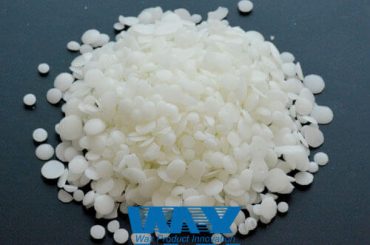
Among different types of wax additives, polyethylene (PE) wax is one of the most commonly used for anti-blocking in flexo inks. It provides a good balance of slip, compatibility, and cost, making it suitable for a wide range of packaging applications.
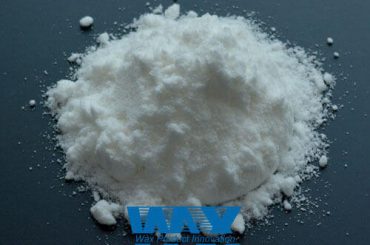
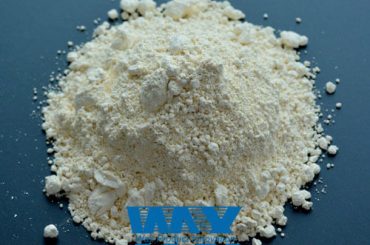
For higher performance requirements, micronized wax offers improved surface coverage due to its smaller particle size. This leads to more uniform film formation and better anti-blocking performance.
In demanding applications, PTFE-modified wax additives can be used to achieve even lower friction and superior anti-blocking properties. These additives are particularly useful in high-speed printing or when printing on films with high surface energy.
The choice of additive depends on several factors, including the type of substrate, ink system (water-based or solvent-based), and processing conditions. For example, flexible packaging films may require higher-performance additives compared to paper substrates.
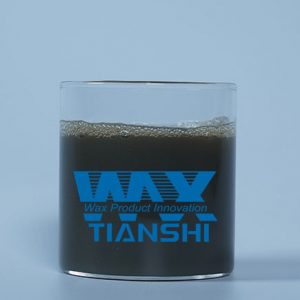
In water-based flexo inks, wax emulsions are often preferred because they are easy to incorporate and provide stable dispersion. In solvent-based systems, micronized wax powders are more commonly used.
Dosage optimization is critical. Too little wax will not effectively prevent blocking, while excessive amounts may negatively affect gloss, transparency, or printability.
It is also important to consider the balance between anti-blocking performance and other ink properties. For example, improving slip may reduce coefficient of friction, but it must not compromise adhesion or print quality.
Testing under real production conditions is essential to ensure that the selected additive performs as expected.
As flexographic printing continues to evolve toward higher speeds and more demanding applications, the need for effective anti-blocking solutions remains strong. Wax additives continue to be the preferred choice due to their reliability and versatility.
If you are experiencing blocking issues in flexo inks and need an effective solution, our range of wax additives—including emulsions and micronized wax—can help improve slip, reduce adhesion, and enhance overall print performance. Contact us to find the best anti-blocking solution for your formulations.
 Leave a message

We’ll get back to you soon