

2026-04-20 Pageview:172
Printing inks used in modern packaging and labeling applications must meet increasingly high performance standards. In high-speed printing and converting processes, issues such as blocking, poor slip, and surface damage can significantly affect production efficiency and product quality.
Polypropylene (PP) wax is widely used as a functional additive in printing inks to address these challenges. Its unique combination of high hardness and low surface friction makes it particularly effective in improving slip and anti-blocking performance.
When PP wax is incorporated into ink formulations, it disperses within the binder system and migrates to the surface during drying. This migration creates a thin, wax-rich layer that modifies the surface characteristics of the printed film.
One of the most important benefits of PP wax is its ability to reduce the coefficient of friction. Lower friction allows printed surfaces to slide more easily against each other, which is essential in processes such as rewinding, stacking, and transportation.
Anti-blocking performance is closely related to slip. Blocking occurs when printed surfaces stick together under pressure or heat. By reducing friction and creating a barrier between surfaces, PP wax effectively prevents this issue.
The high hardness of PP wax also contributes to improved durability. It provides resistance to mechanical stress, helping maintain the integrity of the printed layer during handling.
PP wax is suitable for a wide range of ink systems, including flexographic and gravure inks. It can be used on various substrates such as paper, plastic films, and foil.
Selecting the right PP wax involves evaluating several key parameters. Particle size is critical for achieving smooth surfaces and consistent performance. Smaller particles generally provide better dispersion and improved surface quality.
Compatibility with the ink system is essential to ensure stable formulations and avoid defects such as haze or poor adhesion.
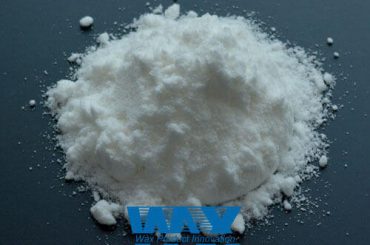
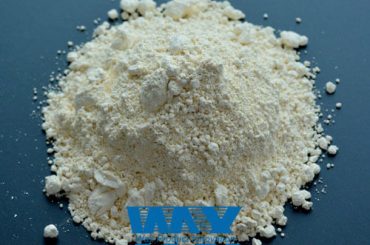
The form of PP wax should match the system. Micronized powders are commonly used in solvent-based inks, while dispersions may be preferred in certain formulations.
Dosage optimization is important to achieve the desired balance between slip and other properties. Excessive wax can affect gloss or print quality, while insufficient wax may not provide adequate protection.
In high-performance inks, PP wax is often combined with other wax types to enhance overall performance.
As printing technologies continue to advance, the demand for reliable and high-performance additives is increasing.
If you are looking to improve slip and anti-blocking performance in your printing inks, our PP wax products are designed to deliver consistent and effective results. Contact us for technical support and product recommendations.
 Leave a message

We’ll get back to you soon